FAQ
Will hemp get me high?
No — but it’s always a good idea to check how much THC is in a serving. By law, hemp contains less than 0.3% THC, but depending on the product and dose, that can still add up. To avoid any psychoactive effects, it’s best to stay in the 1–2mg range per serving.
What’s the difference between hemp and marijuana?
The main difference is THC. Both hemp and marijuana are types of cannabis, but marijuana contains much higher levels of THC — the compound that causes a high. Hemp is grown for its high CBD or CBG content and naturally low THC, making it non-intoxicating.
Will I fail a drug test if I use hemp?
It’s possible — especially with real full-spectrum products that contain 1–2mg of THC per dose. While these amounts are low, legally compliant, and wont get you high, they can still build up in your system over time and may trigger a positive result on a drug test. If testing is a concern, consider using broad-spectrum or THC-free options instead.
What does hemp help with?
Many people use hemp to support everyday wellness — things like calming the mind, easing tension, or getting better rest. While everyone’s experience is different, hemp is often used as a natural way to bring more balance to body and mind.
I thought hemp was for clothing?
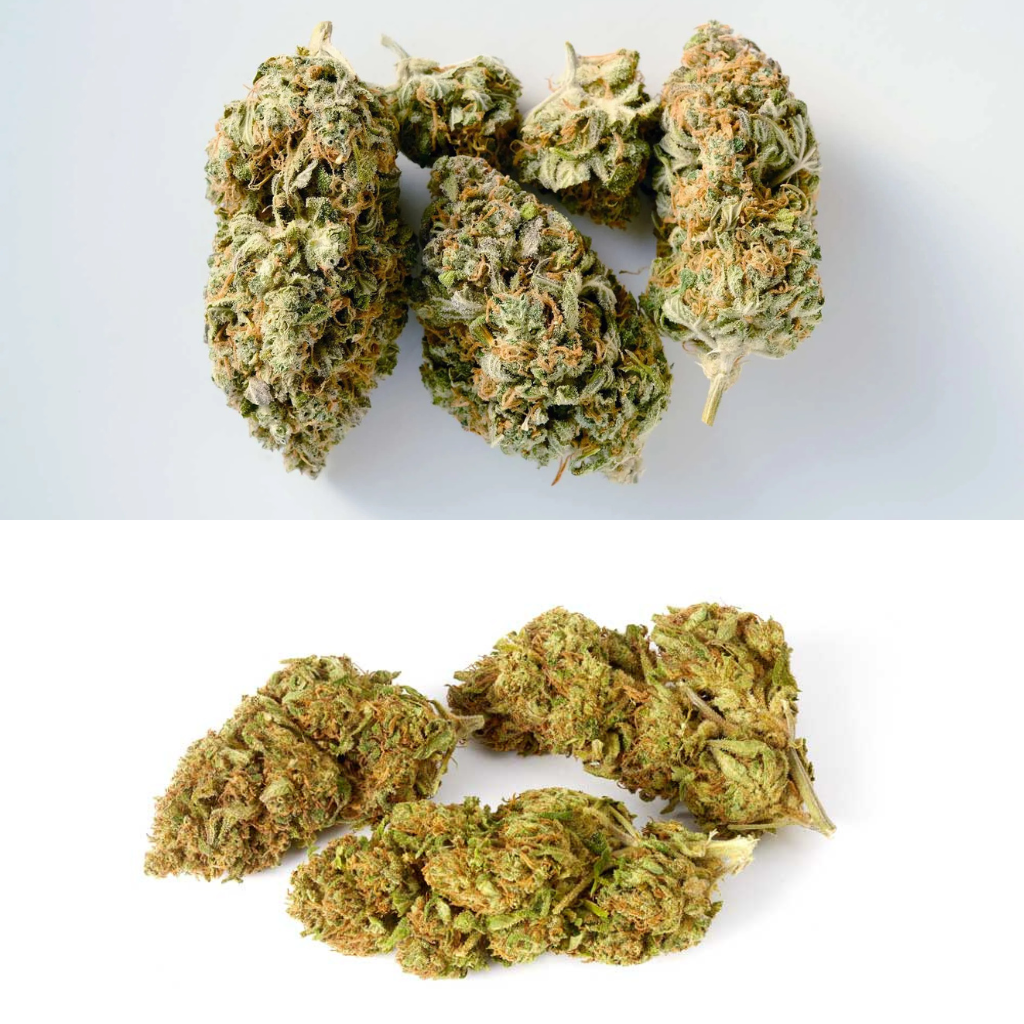
That’s one kind of hemp — called fiber hemp — which is grown for its strong stalks and industrial uses. But the hemp we grow is bred for its flowers which are rich in cannabinoids and terpenes used in wellness products like oils, capsules, creams, and pre rolls.
Isn’t hemp just low-grade marijuana?
Not at all. Hemp isn’t about potency — it’s about purpose. It’s grown specifically to produce beneficial compounds like CBD without the high. It’s a different type of cannabis, designed to support well-being while keeping you clear-headed.
Are hemp and marijuana both cannabis?
Yes. Hemp and marijuana both come from the cannabis plant. The only legal difference is how much THC they contain. Hemp has 0.3% THC or less; marijuana has much more. But both can be rich in therapeutic compounds — they just affect you differently.