FAQ: How Hemp Extract Is Made
What is hemp extract?
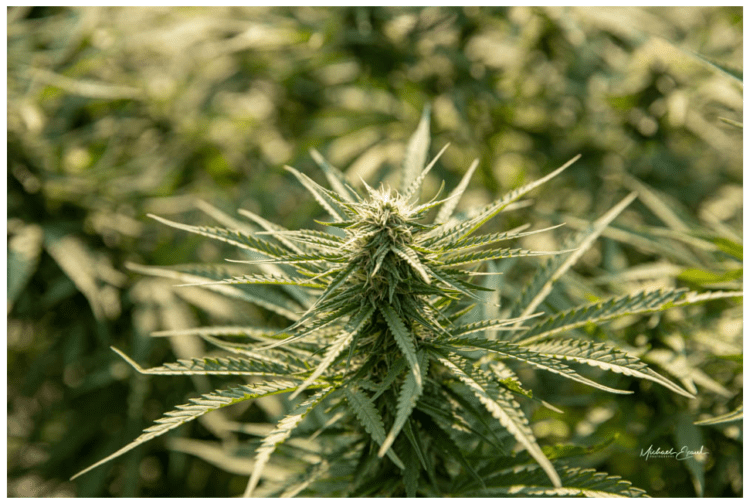
Hemp extract is an oil made from the resin of the hemp plant. It contains cannabinoids like CBD, as well as terpenes, flavonoids, and other beneficial plant compounds. When made properly, it reflects the full chemical profile of the hemp flower it came from.
Does it matter how hemp is harvested and dried?
Absolutely. Harvesting and drying are two of the most critical steps. Machine harvesting damages the flowers and mixes in unwanted parts, while improper drying can mold the product or burn off all the good stuff. If the resin gets degraded here, there’s not much left to extract later.
What’s the difference between subcritical and supercritical CO₂ extraction?
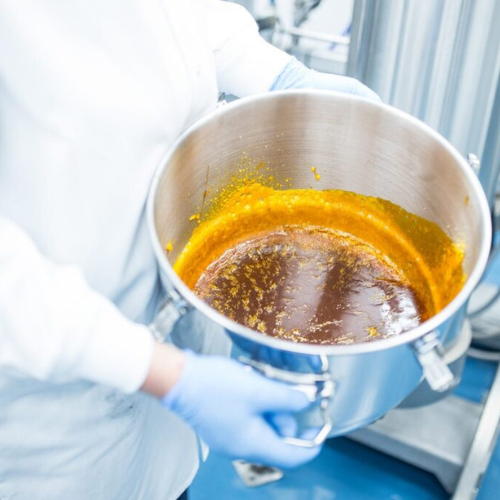
Subcritical CO₂ uses lower temperatures and pressures to gently extract the good stuff—like cannabinoids and terpenes—without destroying them. Supercritical CO₂ is more aggressive, often used on lower-quality material, and usually requires extra refinement that strips away what makes the plant effective.
Why do so many companies use ethanol or supercritical CO₂?
Because it’s cheaper and faster. These methods allow them to process large volumes of low-quality hemp. But the trade-off is that the resulting oil usually needs to be heavily refined, which removes much of the plant’s natural benefit.
Is “full spectrum” always full spectrum?
Not even close. Most products labeled full spectrum are just CBD with trace THC and none of the other plant compounds. Real full spectrum should include a wide range of cannabinoids and terpenes—just like the flower itself.
Why does the quality of the starting hemp matter so much?
You can’t extract what isn’t there. If your hemp flower didn’t have rich resin full of cannabinoids and terpenes to begin with, the final oil won’t either—no matter how fancy the extraction process sounds.
How can I tell if a hemp extract is high quality?
Check the lab test. A real full-spectrum extract will show more than just CBD and THC. Look for cannabinoids like CBG, CBC, and CBDA—and especially terpenes. If there’s no terpene profile on the test, odds are it’s been refined down to almost nothing.