Frequently Asked Questions
Why do so many CBD products not work?
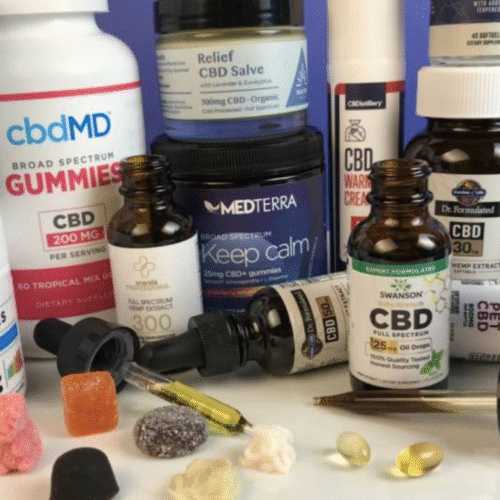
Because most of them aren’t true to the plant. Many products labeled as CBD—especially “broad spectrum” or even “full spectrum”—are made from highly refined hemp biomass that’s been stripped of its natural compounds. What’s left is mostly CBD alone, which lacks the synergy of the full plant and often leads to disappointing results.
What’s the difference between full spectrum, broad spectrum, and isolate?
- Full spectrum is supposed to include all naturally occurring compounds in hemp, including a small amount of THC.
- Broad spectrum includes a range of compounds but no THC.
- Isolate is pure CBD with everything else removed.
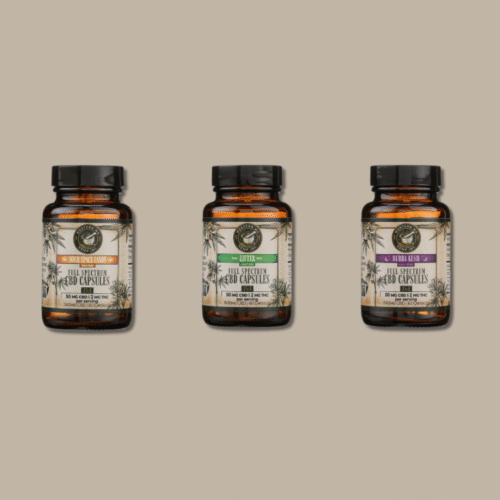
The issue is that most products marketed this way don’t live up to the label. Many “full spectrum” products barely contain any minor cannabinoids or terpenes at all.
What are isolated cannabinoids and are they effective?
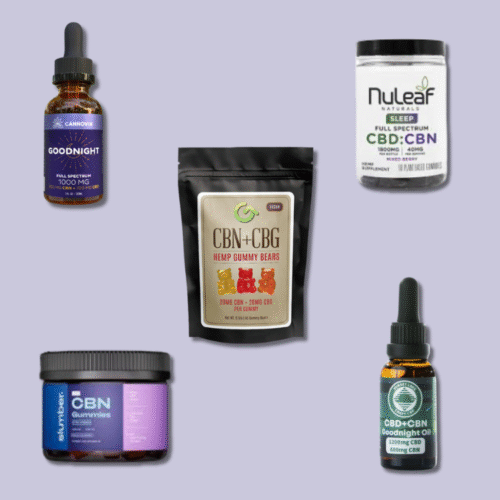
Isolated cannabinoids like CBN and CBG are individual compounds separated from the rest of the plant. While they can have value, using them alone (or combining them in a lab) doesn’t replicate the effect of the whole plant. The entourage effect—where multiple compounds work together—is key to hemp’s effectiveness, and isolates simply can’t deliver that on their own.
Is THCA flower really hemp?
No. If a flower is high in THCA, it is genetically and chemically marijuana—even if it’s being sold under the label of hemp. Hemp does not naturally produce large amounts of THCA, and labeling it as such is just a way to bypass marijuana laws.
Are hemp-derived THC products natural?
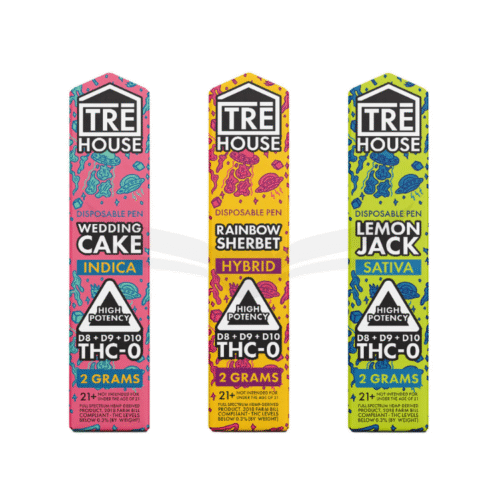
Not really. These products—like THC gummies or vapes labeled “hemp-derived”—are typically made by converting CBD into THC in a lab using chemical solvents. They are not naturally occurring in the hemp plant and don’t reflect what real hemp has to offer. If you want THC, you’re better off buying legal marijuana. If you want hemp, avoid lab-created conversions.
What are synthetic cannabinoids, and are they safe?
Synthetic cannabinoids like HHC, THCP, and Delta-10 are lab-made compounds that do not occur naturally in hemp or cannabis. They’re produced solely to create legal workarounds for getting high—and they come with no proven therapeutic benefit and unknown health risks. They’re not hemp, and they’re not safe.
How can I tell if a hemp product is truly “full spectrum”?
The best way is to check the third-party lab results (COA). A true full spectrum product should list a wide range of cannabinoids (not just CBD and THC) and show the presence of natural terpenes. If the test only lists CBD and trace THC—or no terpenes at all—it’s not a full-spectrum product, no matter what the label says.
Why does the source of hemp matter?
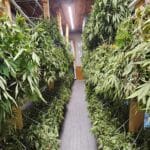
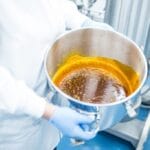
Most companies use leftover plant material (biomass) that’s been machine harvested and degraded before extraction. At Western MA Hemp, we use organically grown, strain-specific flower, hand-harvested and carefully extracted to preserve the plant’s natural spectrum. That’s the difference between something that works and something that doesn’t.
What should I avoid when shopping for hemp products?
Avoid products with:
- No lab testing
- Added synthetic cannabinoids
- Unclear ingredient sourcing
- Isolated cannabinoids pretending to be “effect-based”
- Overly refined oils with no terpene content
- Claims like “hemp-derived THC” or “legal high”
What makes Western MA Hemp different?
We stay true to the plant. That means no overprocessing, no chemical conversions, and no gimmicks. Just full-spectrum hemp products made from whole flower, extracted with care, and preserved in their most natural and effective form. You’ll feel the difference—because it actually is hemp.