Our First Hemp Harvest of 2026 Is In
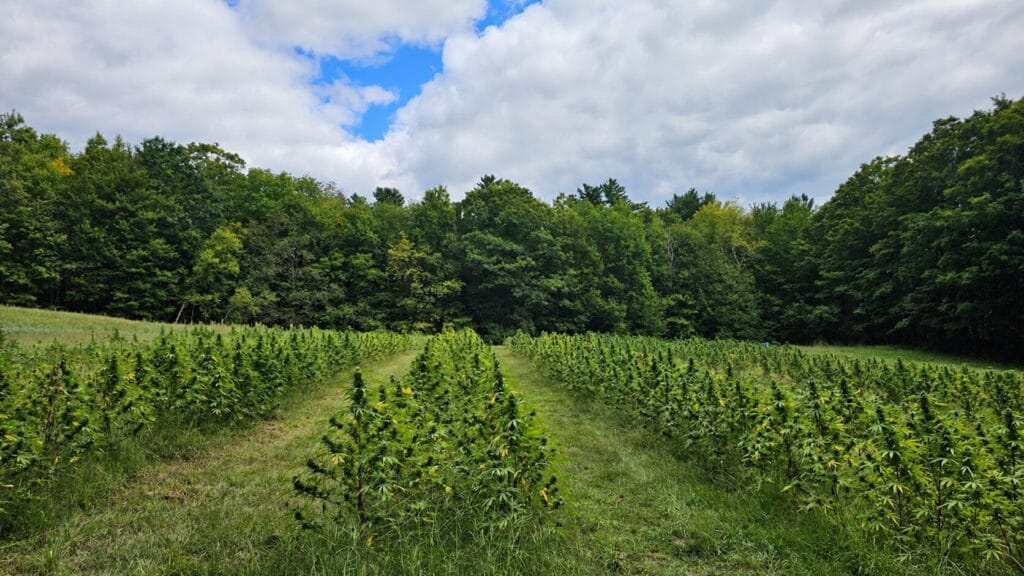
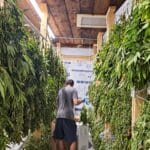
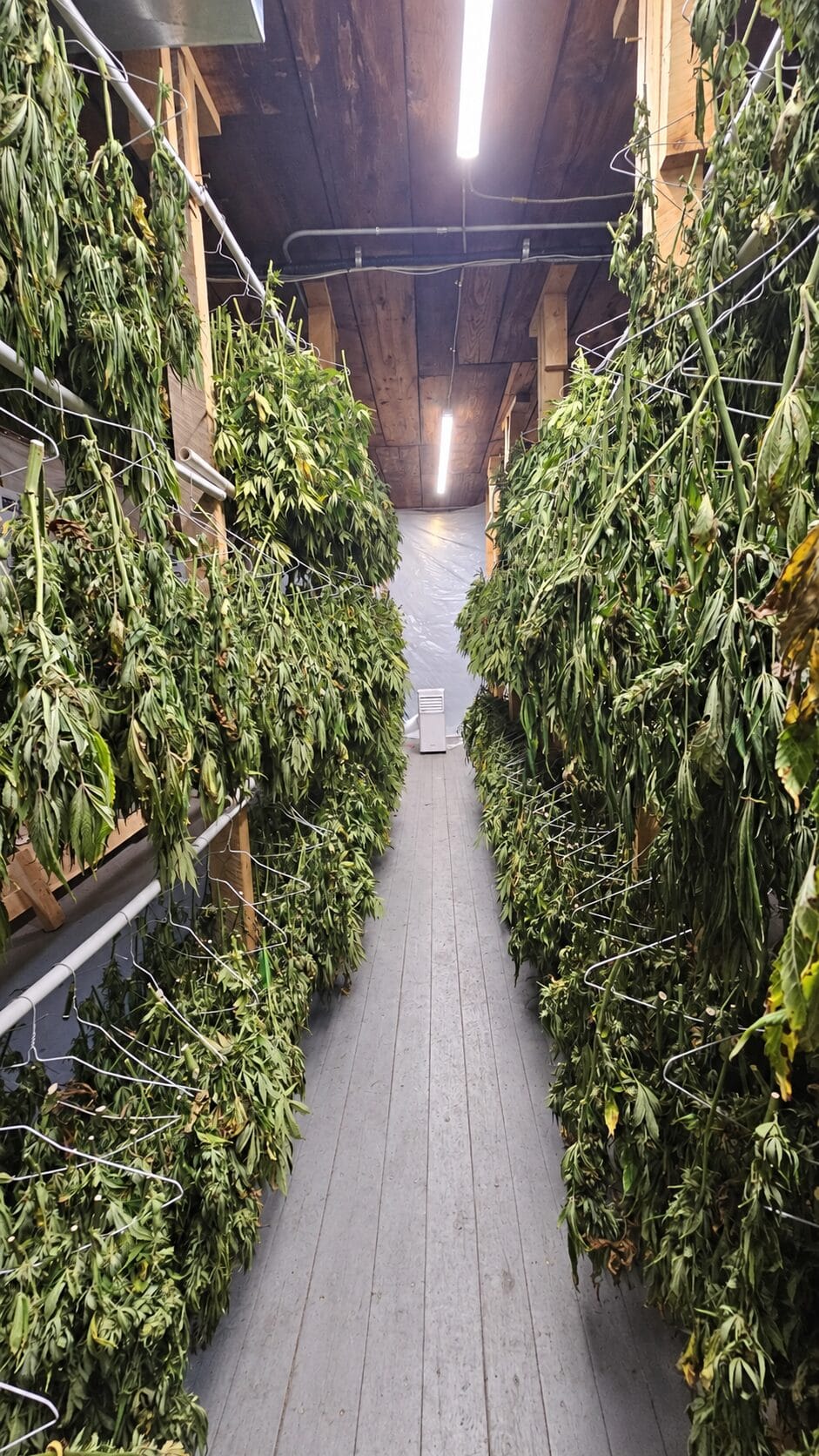
Our first hemp harvest of 2026 is officially in. After a good growing season in Western Massachusetts, we began by hand-harvesting Sour Chem. The plants are now hanging inside our atmosphere-controlled facility, where they will dry for approximately 7 to 14 days before curing for another few weeks.
This is only the beginning of this year’s harvest. Our Lifter and CBG varieties are still developing and will be harvested separately later this month.
A Good Growing Season in Western Massachusetts
A successful hemp harvest begins months before the first plant is cut.
Throughout the growing season, we watch how the plants respond to the soil, temperature, rainfall, humidity, and changing length of the days. Every stage of growth contributes to what the mature flowers eventually produce.
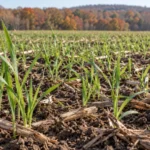
The 2026 season gave our plants the opportunity to establish strong growth and develop healthy, resin-rich flowers. As harvest approached, the field became increasingly aromatic and the differences between the varieties became easier to see and smell.
We do not judge a growing season by plant size alone. The real value of the crop is found in the flowers and the natural chemistry they produce.
That includes much more than CBD. Mature hemp flowers contain major cannabinoids, minor cannabinoids, terpenes, flavonoids, resins, and natural oils. These compounds develop together and give every variety its individual character.
Our earlier look inside the Massachusetts hemp fields in August shows how this year’s plants developed during the important weeks leading up to harvest.
A Hemp Field Is Not Ready All at Once
Different hemp varieties begin flowering and reach maturity on their own timelines.
Even when varieties are planted around the same time and grown in the same field, their genetics affect how quickly they flower, develop resin, and build their cannabinoid and terpene profiles.
That is why we harvest the field in separate stages.
The first mature plants have now been brought indoors. Our Lifter and CBG varieties will remain in the field until they reach the maturity we want later this month.
Harvesting this way allows us to respond to the plants instead of forcing the entire farm to follow one calendar date. It also lets us keep each variety separate through harvesting, drying, curing, and processing.
How We Decide When Hemp Is Ready to Harvest
Harvest timing affects everything that follows.
Cutting a plant too early can mean bringing it in before the flowers, resin, cannabinoids, and terpenes have fully developed. Leaving it in the field too long can expose mature flowers to rain, humidity, cold nights, mold, wind, and the legal limits that apply to hemp crops.
As harvest approaches, we look at the complete plant:
- Flower development and density
- Resin and trichome maturity
- Cannabinoid development
- The strength and character of the aroma
- The condition of the flowers
- Upcoming weather
- The crop’s legal compliance window
The right harvest date is where plant maturity, healthy field conditions, and legal requirements meet.
This is especially important in Massachusetts. Our outdoor season does not continue indefinitely, and late-season weather can change quickly. A dry stretch can turn into several days of rain, while cool nights and heavy morning dew can keep dense flowers wet.
The goal is not to leave every plant in the field for as long as possible. The goal is to bring each variety in when it has reached the best balance of maturity, aroma, resin development, and overall health.
Our guide to when to harvest hemp explains how plant development, Massachusetts weather, and the legal harvest window shape these decisions.
Harvested by Hand
We harvested the first plants of 2026 by hand.
Hand harvesting requires more time and physical work than mechanically cutting a field, but it gives us greater control over how the plants are handled. We can move through the crop carefully, protect the flowers, and keep the harvested branches intact as they are transported indoors.
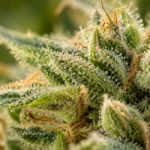
The resin glands coating mature hemp flowers contain much of the plant’s cannabinoids, terpenes, and aromatic oils. Rough handling can damage the flowers and separate some of that resin from the plant.
Careful harvesting helps us protect the chemistry we spent the entire season growing.
It also allows us to inspect the plants as they come out of the field. We know which variety and section each plant came from, when it was harvested, and how it was handled before it reached the drying room.
This is very different from purchasing anonymous bulk hemp or extract. Growing and harvesting the crop ourselves gives us a direct connection to the plant at every stage.
From the Field to Our Drying Facility
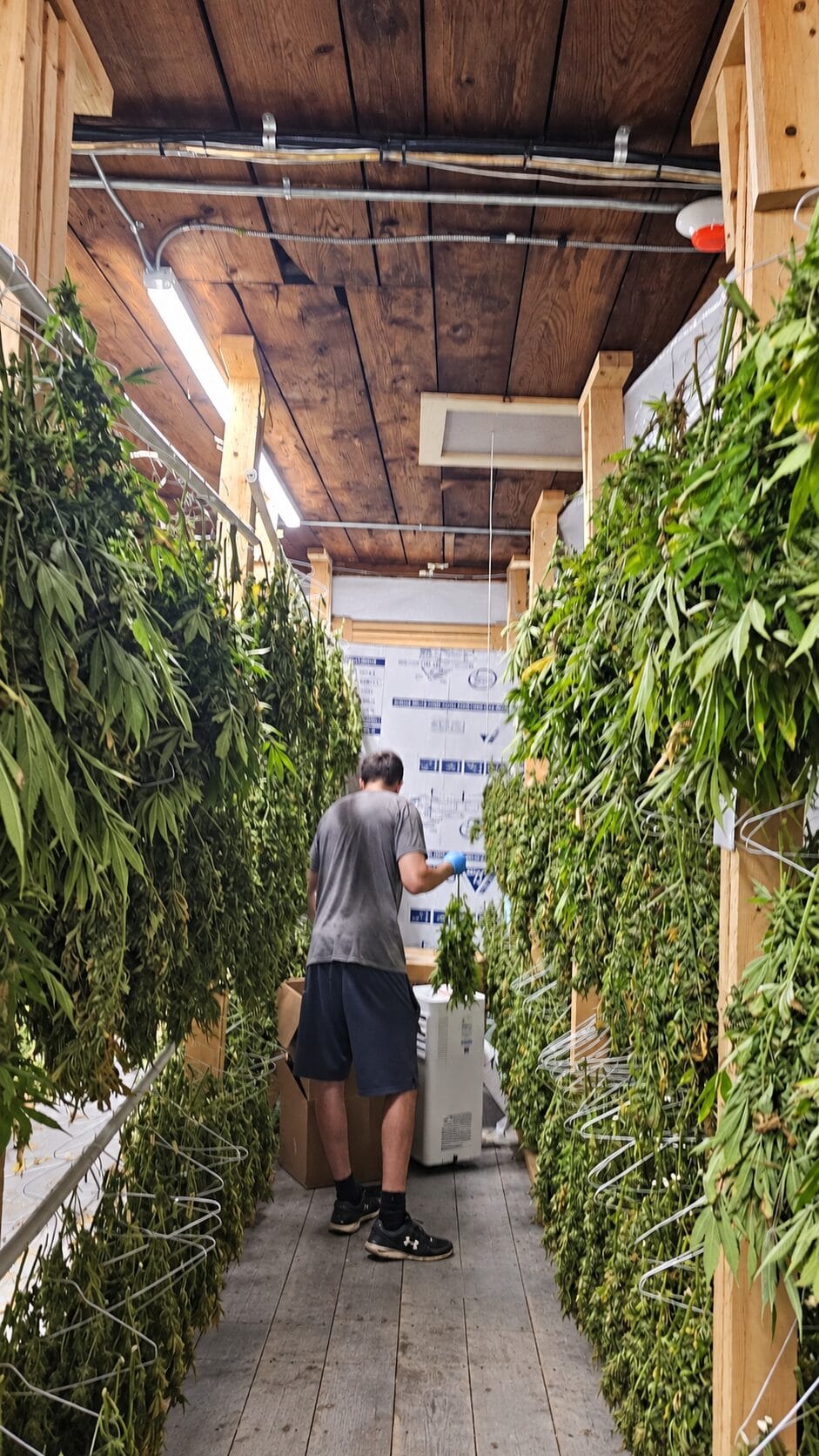
Once the plants were harvested, we moved them directly into our atmosphere-controlled facility and hung them to dry.
Freshly harvested hemp contains a significant amount of moisture. That moisture needs to leave the plants gradually and evenly while the flowers remain protected.
Drying is not simply a matter of hanging the plants and waiting. Temperature, humidity, airflow, branch size, and flower density all affect how the crop progresses.
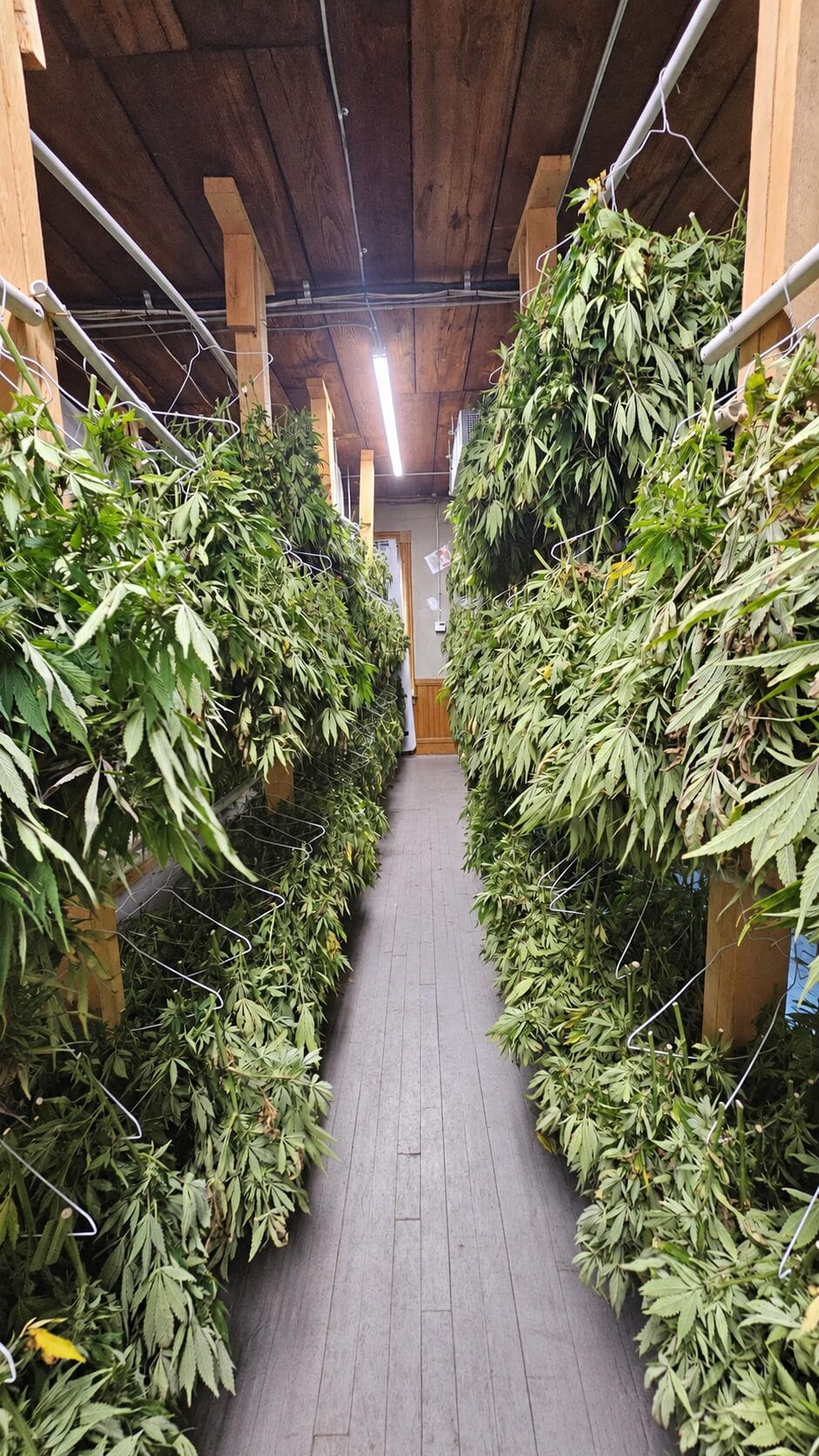
Our controlled facility lets us manage the environment surrounding the plants instead of leaving this important stage to unpredictable outdoor conditions. The branches are hung with space around them so air can circulate throughout the room and moisture can leave the plant material consistently.
Why Controlled Drying Matters
The purpose of controlled drying is not to remove moisture as quickly as possible. It is to protect the natural character of the hemp while bringing it to the proper condition for curing.
Drying too quickly can flatten the aroma and change the character of the flower. Drying too slowly under poor conditions can allow moisture to remain trapped inside dense buds.
A steady drying environment helps preserve the aromatic terpenes and natural oils developed in the field while protecting the harvested crop from excess moisture.
This is an important part of our whole-plant approach. Extraction cannot recreate terpenes or other delicate compounds that were lost through poor handling after harvest. If we want the finished extract to reflect the living plant, preservation has to begin in the field and continue through drying and curing.
Learn more about the compounds responsible for the plant’s different aromas in our guide to terpenes in hemp.
How Long Does Hemp Take to Dry?
The first harvested plants will hang for approximately 7 to 14 days.
The exact drying time is determined by the crop rather than a fixed deadline. Branch size, flower density, moisture levels, and the way the plants respond to the controlled atmosphere all influence when they are ready.
We monitor the plants throughout this period. The goal is to allow enough time for a gradual, even dry without leaving the flowers hanging longer than necessary.
Harvest may happen on one day, but properly finishing the crop takes patience.
Curing for Another Few Weeks
After the initial drying period, the harvested hemp will cure for another few weeks.
Drying and curing are related, but they are not the same process.
Drying removes most of the moisture from the freshly harvested plants. Curing gives the remaining moisture time to balance throughout the flower while its aroma and overall character continue to develop.
This is why harvest day is not the finish line. Drying and curing are extensions of the care that began in the field.
Rushing directly from fresh plants into processing would overlook an important part of protecting the crop. Giving the flower time to dry and cure properly helps preserve more of the natural profile we worked to grow.
Keeping Each Hemp Variety Separate
We select different hemp genetics because each variety produces its own natural profile.
Those differences can include the plant’s primary cannabinoid, its minor cannabinoids, the balance between those compounds, and the terpenes and aromatic oils produced by the flower.
Combining every plant into one general harvest would work against the reason we grow different varieties in the first place.
We keep the harvests separate so the character of each crop remains identifiable. That separation continues as the plants move through drying, curing, extraction, and formulation.
This gives us the ability to work with what each variety naturally produced rather than trying to make every crop fit the same formula afterward.
Lifter and CBG Harvests Are Coming Later This Month
The first harvest may be indoors, but the 2026 growing season is not finished.
Our Lifter and CBG varieties will be harvested separately later this month. Each section will remain in the field until the flowers reach the right stage of maturity.
Lifter has its own cannabinoid and terpene profile, while our CBG varieties were selected to naturally produce a different primary cannabinoid profile. Keeping these harvests separate allows us to preserve the qualities that distinguish one variety from another.
Until then, we will continue watching the plants, flowers, resin, weather, and overall condition of the crop.
When each variety is ready, it will be harvested by hand and brought inside to begin the same gradual drying and curing process.
From the 2026 Harvest to the Finished Product
Our first hemp harvest of 2026 represents months of work, but the process is far from complete.
The plants must now dry for 7 to 14 days, cure for another few weeks, and be carefully prepared for their next stage. Throughout that process, our objective remains the same: preserve the cannabinoids, terpenes, flavonoids, resins, and natural oils produced by the flower.
That is what True to the Plant means on our farm.
It means selecting hemp varieties for their complete character, growing them ourselves, choosing the right harvest time, handling the plants by hand, and protecting their natural chemistry after they leave the field.
A finished hemp product can only preserve what was successfully grown and cared for along the way. Quality cannot be added at the end of the process. It has to begin with the plant.
Learn more about where our products begin on our Western Massachusetts hemp farm page.
Frequently Asked Questions About Our 2026 Hemp Harvest
Has the 2026 hemp harvest started?
Yes. Our first hemp harvest of 2026 has been completed, and the plants are now hanging inside our atmosphere-controlled drying facility.
Is Western MA Hemp harvested by hand?
Yes. We harvest our hemp by hand so we can handle the plants carefully and protect the mature flowers and resin.
How long does freshly harvested hemp take to dry?
Our hemp generally dries for approximately 7 to 14 days. The exact timing depends on flower density, branch size, moisture levels, and the conditions inside our drying facility.
What happens after the hemp finishes drying?
After drying, the hemp cures for another few weeks. Curing allows the remaining moisture to balance while the flower’s aroma and natural character continue to develop.
What will Western MA Hemp harvest next?
Our Lifter and CBG varieties will be harvested separately later this month when each crop reaches the right stage of maturity.