How to Read a Hemp Product Lab Test
A hemp product’s label tells you what the brand wants you to know. The lab test tells you what is actually in the product.
That lab test is usually called a Certificate of Analysis, or COA. A COA is a report from a testing laboratory that shows the product’s cannabinoid strength, terpene profile, and safety screening results. State cannabis regulators describe a COA as a lab report that provides information about a product’s safety, quality, and potency, including checks for contaminants and verification of cannabinoids and terpenes.
For hemp products, especially CBD oils, gummies, capsules, topicals, flower, vapes, and concentrates, learning how to read the COA is one of the best ways to know whether a product is accurately labeled, truly full spectrum, and reasonably screened for unwanted contaminants.
First: Make Sure the COA Matches the Product
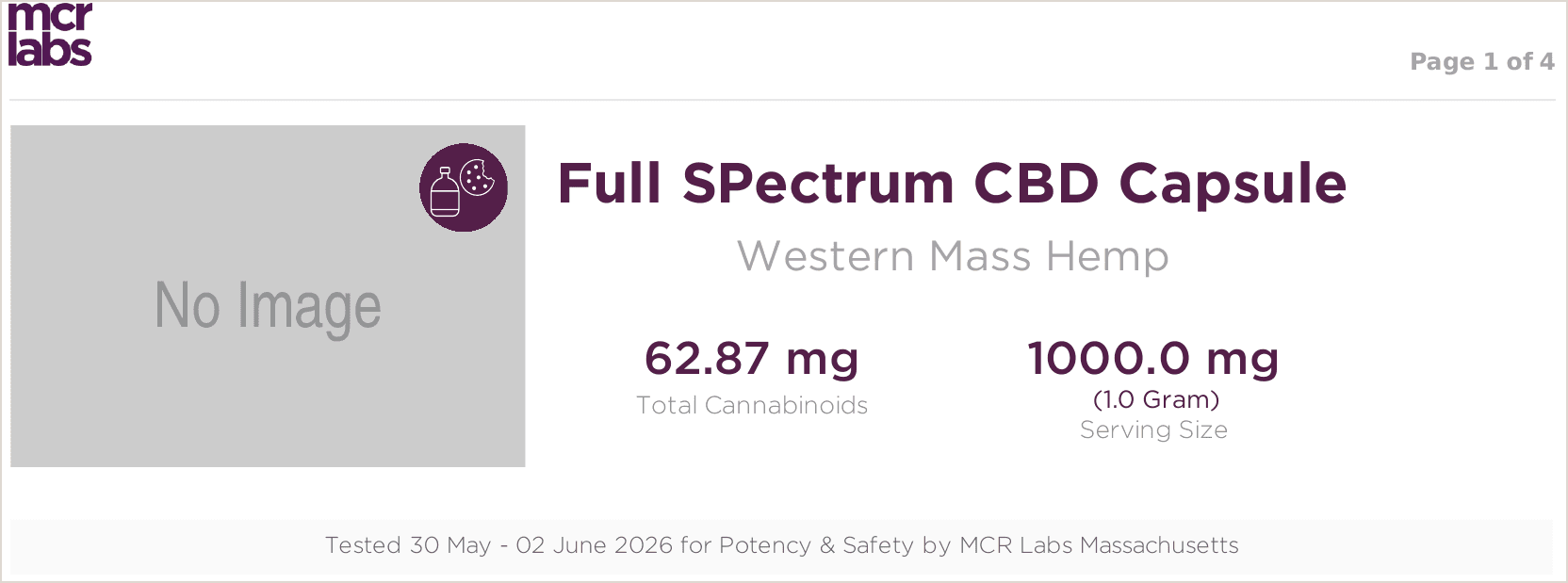
Before reading the numbers, confirm that the report belongs to the exact product in your hand.
Look for the product name, batch number, lot number, sample ID, test date, and lab name. The batch or lot number on the package should match the batch or lot number on the COA. If the brand shows one generic lab report for multiple products, that is not enough. A proper COA should trace back to a specific batch.
Also check the test date. Hemp extracts and finished products can change over time, especially if exposed to heat, light, or oxygen. A COA that is several years old does not give much confidence about the product currently being sold.
A strong COA should come from an independent laboratory, not only from the manufacturer’s internal testing. In regulated cannabis programs, labs test products for accurate cannabinoid and terpene labeling and for contaminants before products can be sold. For hemp products, rules vary by state and product type, so third-party transparency matters.
What “Full Spectrum” Really Means
“Full spectrum” is a marketing term, but it has a practical meaning: the product should contain a range of naturally occurring hemp compounds, not just isolated CBD.
A true full-spectrum hemp product usually shows:
- CBD or CBDA as the dominant cannabinoid
- Minor cannabinoids such as CBG, CBC, CBN, CBDV, THCV, or others
- Trace THC, often delta-9 THC, THCA, or both
- Terpenes, if the brand claims a terpene-rich or whole-plant extract
The COA is where you verify that claim. If the cannabinoid panel shows only CBD and every other cannabinoid is listed as “ND” or “not detected,” the product is probably closer to CBD isolate than full spectrum. If it contains CBD plus minor cannabinoids but THC is not detected, it is usually closer to broad spectrum. If it contains CBD, minor cannabinoids, detectable THC within the applicable legal limit, and preferably terpenes, it is more consistent with a full-spectrum product.
The key point: do not rely on the front label alone. Full spectrum should be visible in the lab results.
Understanding Cannabinoid Potency
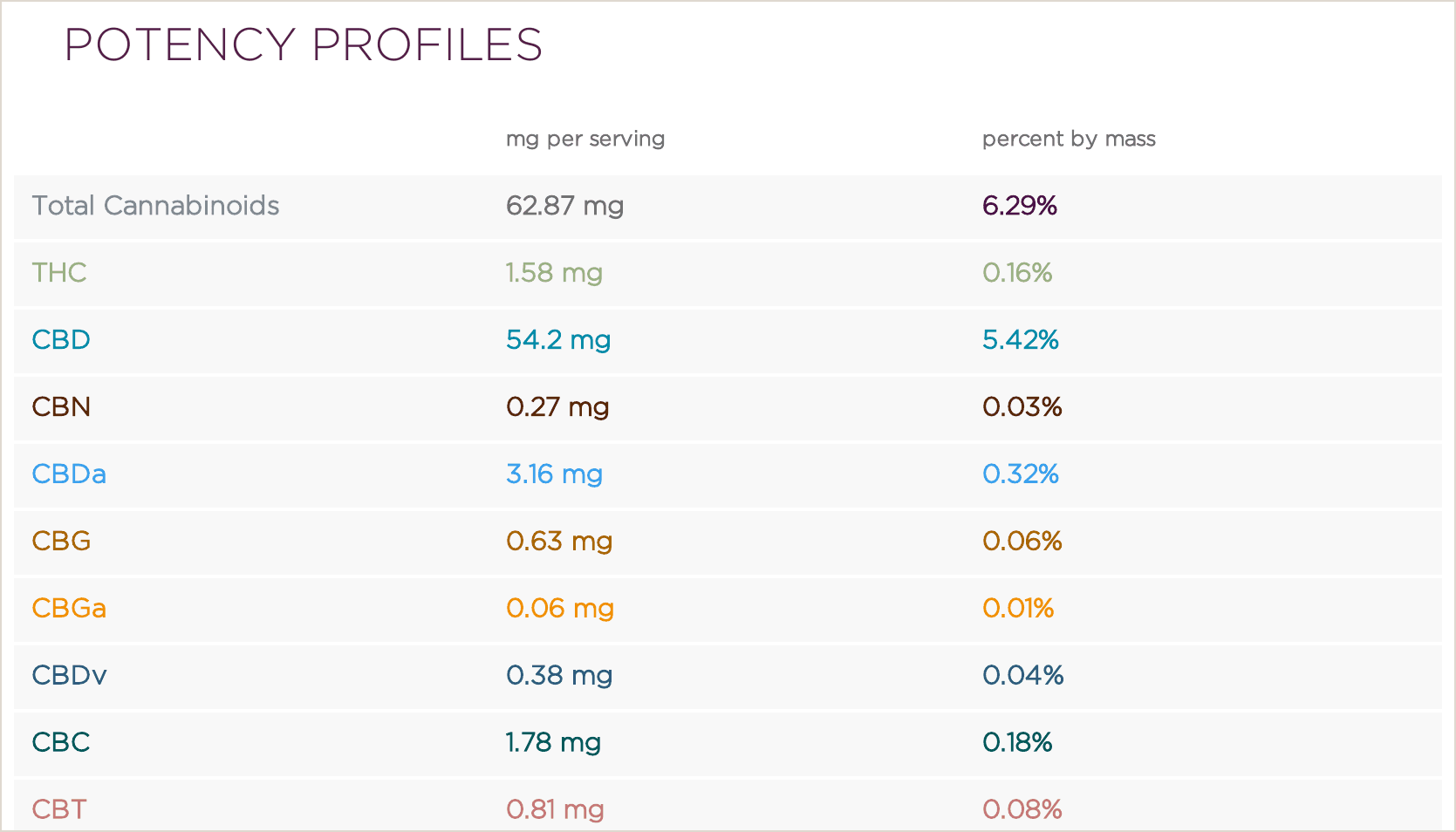
The potency section tells you how strong the product is. This is where you find cannabinoids such as:
- CBD – cannabidiol
- CBDA – cannabidiolic acid, the acidic precursor to CBD
- Delta-9 THC – the main intoxicating THC compound
- THCA – tetrahydrocannabinolic acid, which can convert into THC when heated
- CBG – cannabigerol
- CBC – cannabichromene
- CBN – cannabinol
- Delta-8 THC, delta-10 THC, HHC, THCV, CBDV, and other cannabinoids, depending on the product and lab panel
Potency may be reported in several formats:
- mg/g means milligrams per gram. This is common for flower, concentrates, and some solids.
- mg/mL means milligrams per milliliter. This is common for tinctures and liquid extracts.
- mg/unit means milligrams per gummy, capsule, softgel, or serving.
- % by weight is common for flower and concentrates.
For flower and other solid products, a simple conversion helps:
1% = 10 mg/g
So, if a hemp flower COA says CBD is 12%, that equals about 120 mg/g CBD.
For a tincture, the most useful number is usually mg per serving or mg per bottle. For example, if a 30 mL bottle contains 1,500 mg CBD, then each 1 mL serving contains about 50 mg CBD.
Delta-9 THC vs. Total THC
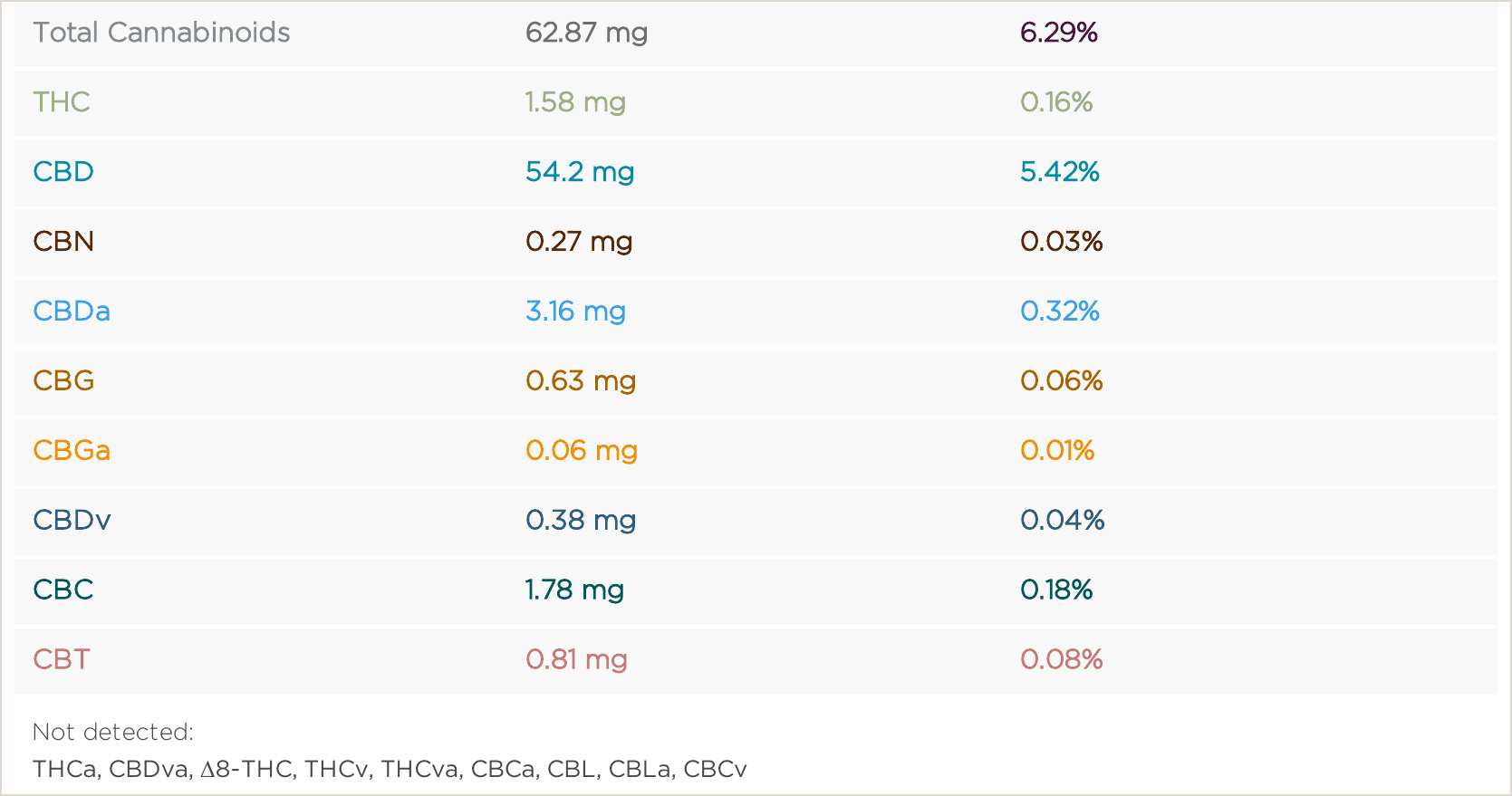
This is one of the most important parts of a hemp COA.
- Delta-9 THC is the THC already present in its active form.
- THCA is the acidic form that can convert into delta-9 THC when heated through smoking, vaping, baking, or decarboxylation.
Many COAs report Total THC, which estimates the product’s potential THC after THCA conversion. Federal hemp regulations define total THC as a post-decarboxylation value or conversion-factor calculation based on THC and THCA. The common formula is:
Total THC = delta-9 THC + (THCA x 0.877)
The 0.877 factor accounts for the molecular weight change when THCA converts into THC. This formula is included in federal hemp regulations.
This matters because a product can appear low in delta-9 THC but still have meaningful total THC if it contains a lot of THCA. This is especially relevant for hemp flower, THCA flower, vapes, and concentrates.
Hemp Legal Limits: Read Carefully
In the U.S., hemp has historically been defined around a THC threshold of not more than 0.3% on a dry-weight basis. The USDA’s hemp testing guidance states that compliance testing measures total THC on a dry-weight basis and evaluates whether the tested material is within the acceptable hemp THC level of 0.3%.
There is also a major federal change scheduled to take effect in November 2026. Public Law 119-37, enacted November 12, 2025, changes the federal hemp definition to a total tetrahydrocannabinols standard of not more than 0.3% on a dry-weight basis and excludes certain final hemp-derived cannabinoid products containing more than 0.4 mg combined total THC per container.
State laws can be stricter and may define THC differently. A COA helps you understand what is in the product, but it is not the same as legal clearance in every jurisdiction.
What “ND,” “LOD,” and “LOQ” Mean
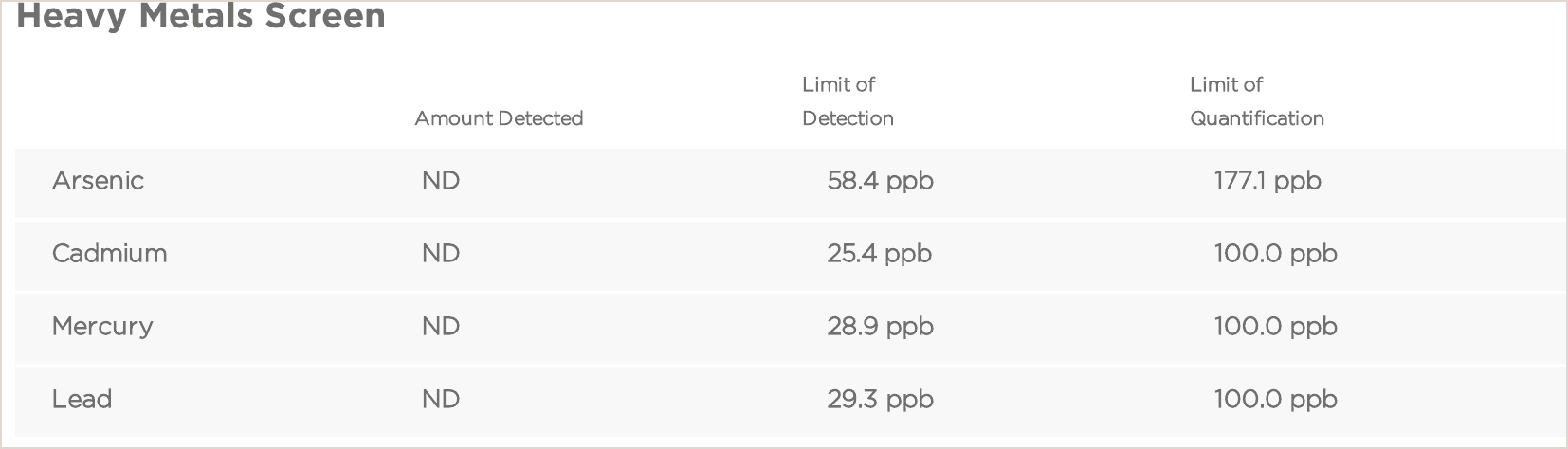
Lab reports often use shorthand.
ND means “not detected.” It does not always mean absolute zero. It means the lab did not detect the compound above its detection limit.
LOD means “limit of detection.” This is the smallest amount the lab can reliably detect.
LOQ means “limit of quantitation.” This is the smallest amount the lab can reliably measure and report as a number.
This matters for claims like “THC-free.” A product may show THC as ND, but that means THC was not detected above the lab’s threshold. It does not always prove that no THC molecules exist anywhere in the product. For consumers subject to drug testing, this distinction matters.
How to Read the Contaminant Section
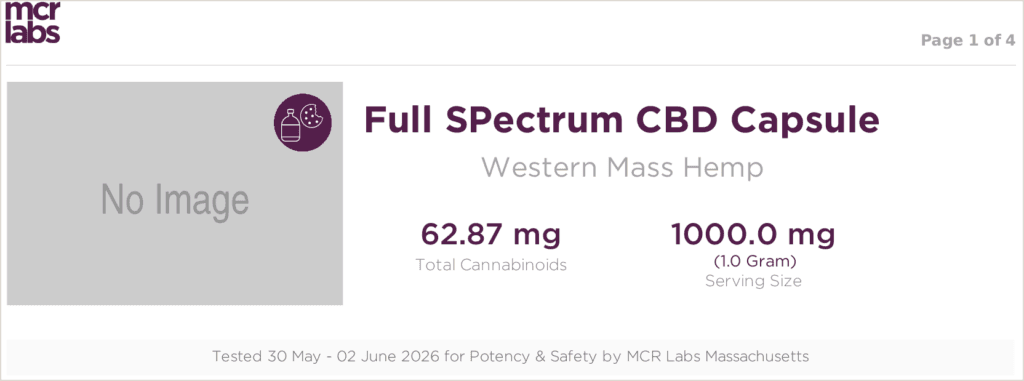
The example COA embedded in this article includes cannabinoid potency, terpenes, heavy metals, microbiological contaminants, mycotoxins, and pesticides. The supplied report does not include separate residual solvent, moisture content, water activity, or foreign material panels, which is exactly why readers should check which categories a COA actually covers.
Potency tells you what the product is supposed to contain. Contaminant testing tells you what should not be there.
Regulated cannabis testing commonly includes cannabinoids and terpenes, residual solvents, pesticides, heavy metals, microbial impurities, mycotoxins, moisture content, water activity, and foreign material. A hemp COA may include all or only some of these categories. For a consumer product, especially one that is ingested or inhaled, broader testing is better.
Pesticides
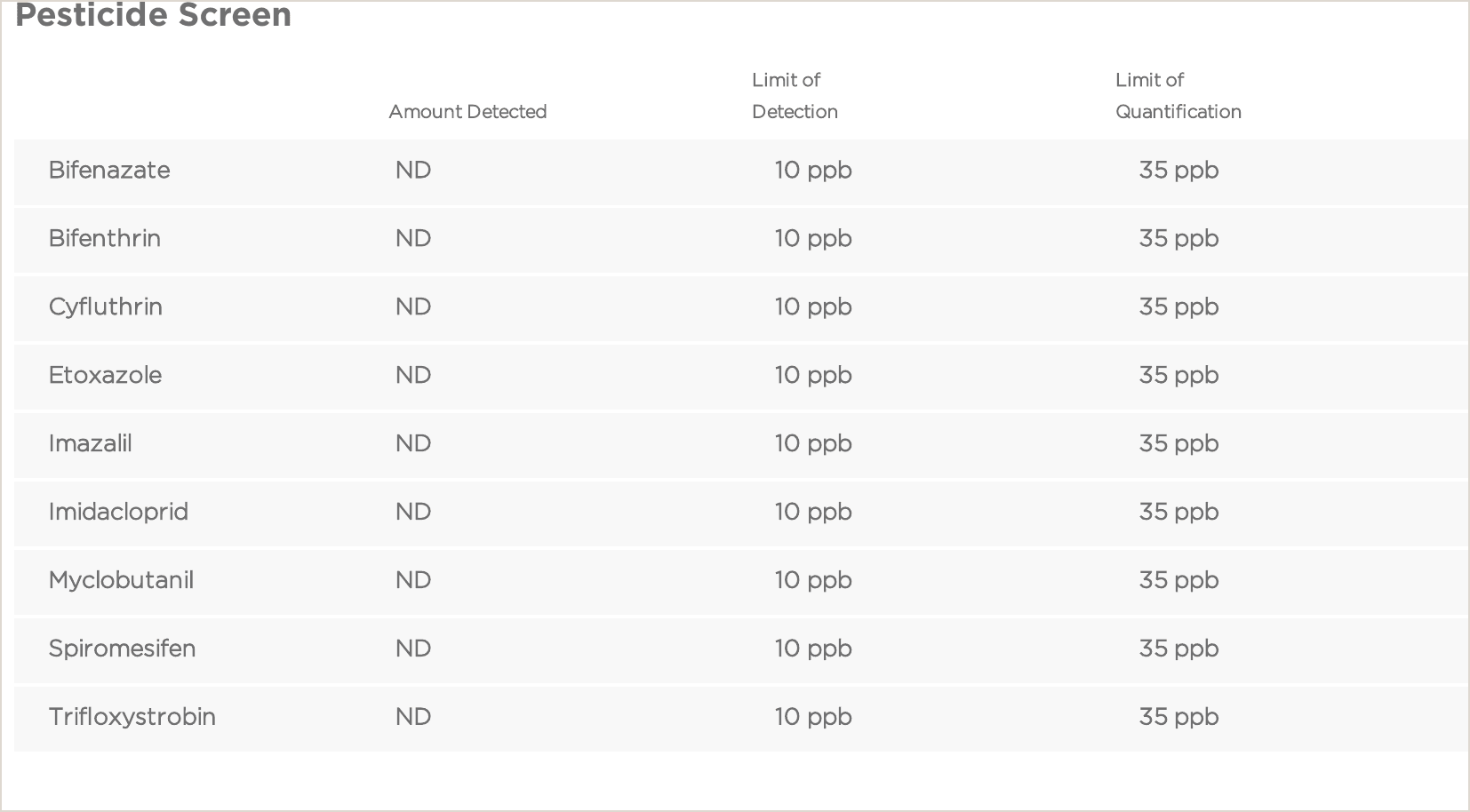
Pesticide testing looks for agricultural chemicals that may remain on the plant after cultivation. Hemp is an agricultural crop, so pesticide screening is important for flower, extracts, oils, edibles, and vapes.
On the COA, each pesticide should show a result and a limit. The best result is usually ND or a value below the action limit. If a pesticide is detected above the allowable threshold, the product should fail.
Heavy Metals
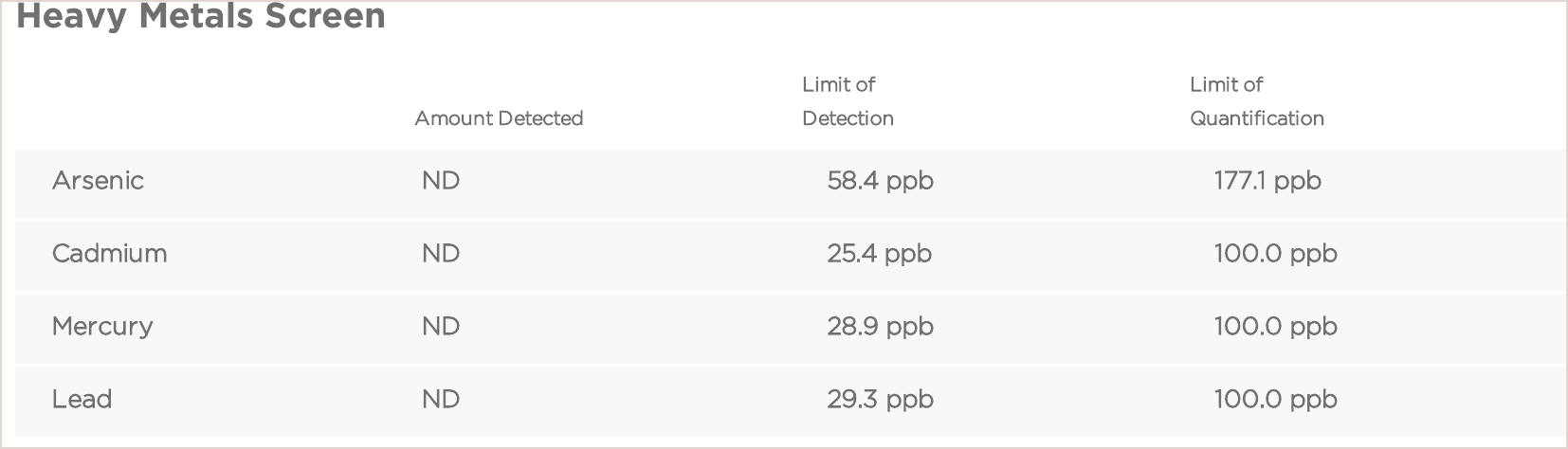
Heavy metals commonly tested in hemp and cannabis products include lead, arsenic, cadmium, and mercury. These can come from soil, water, fertilizers, or processing equipment. Cannabis plants are known to absorb metals from soil and other growing inputs, which is one reason heavy metal testing is important for hemp products.
For heavy metals, look for a clear Pass result or values below the listed limits. If the COA does not include heavy metal testing, that is a gap.
Residual Solvents
Residual solvent testing applies mainly to extracts, concentrates, vapes, and infused products made with extracted hemp oil. Solvents may be used during extraction or processing. Common examples include ethanol, butane, propane, hexane, heptane, and other processing chemicals.
A good COA should show that residual solvents are not detected or are below acceptable limits. This section is especially important for vape cartridges and concentrates.
Microbials
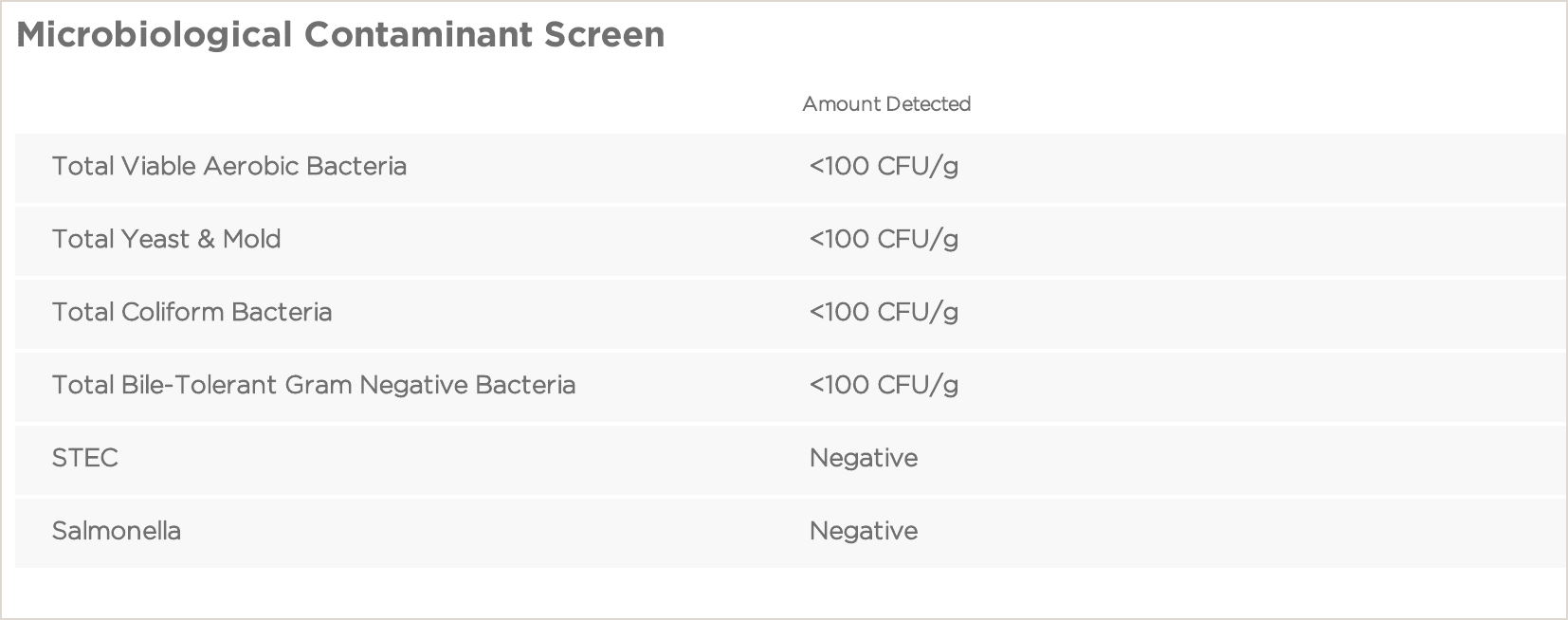
Microbial testing screens for bacteria, yeast, mold, and other biological contaminants. This is important for flower, edibles, beverages, tinctures, and inhalable products.
Common microbial targets may include total yeast and mold, total aerobic bacteria, bile-tolerant gram-negative bacteria, E. coli, Salmonella, and Aspergillus species, depending on the jurisdiction and product type.
For consumers, the key question is simple: did it pass?
Mycotoxins

Mycotoxins are toxic compounds produced by certain molds. Common tests include aflatoxins and ochratoxin A. Even if visible mold is not present, mycotoxin screening can help identify whether mold-related toxins are present.
This is especially relevant for flower, biomass-derived extracts, and products made from stored plant material.
Moisture Content and Water Activity
Moisture content and water activity are especially important for hemp flower. Too much moisture can create conditions for mold growth. Too little moisture can make flower dry, harsh, and degraded.
Water activity is not the same thing as moisture percentage. It measures how much water is available to support microbial growth. A flower COA that includes water activity gives more useful safety information than aroma or appearance alone.
Foreign Material
Foreign material testing looks for unwanted physical matter, such as hair, dirt, insects, plastic, or other debris. This is basic quality control, but it matters.
How to Read Terpenes
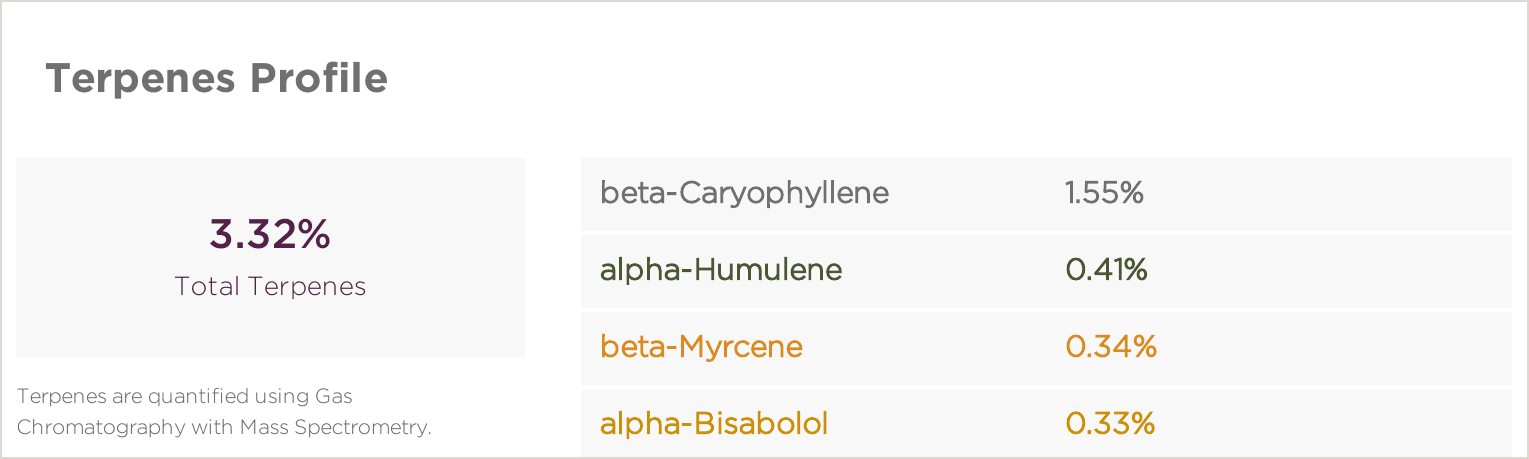
Terpenes are aromatic compounds that contribute to the smell and flavor of hemp and cannabis. They are found in many plants, not just hemp. In cannabis, terpenes are major contributors to aroma characteristics.
A terpene panel may list compounds such as:
- Myrcene – earthy, musky, herbal
- Limonene – citrus
- Beta-caryophyllene – pepper, spice, clove
- Pinene – pine
- Linalool – floral, lavender
- Humulene – earthy, hoppy
- Terpinolene – herbal, fresh, slightly floral
- Ocimene – sweet, herbal
Terpenes are usually reported as a percentage, mg/g, or total terpene content. A product with 2% total terpenes has a stronger terpene presence than one with 0.2%, although the experience also depends on the specific terpene mix, cannabinoid profile, and product format.
Be careful with exaggerated terpene claims. Terpenes can influence aroma, flavor, and possibly user experience, but a terpene chart should not be treated as a medical promise.
What a Good COA Should Show
View the full example lab report to see how the cropped panels fit together in the original four-page COA.
A strong hemp product COA should include:
- A matching product name and batch number
- A recent test date
- A real third-party laboratory name
- Cannabinoid potency
- Delta-9 THC and, ideally, total THC
- Terpene profile, especially if the product is marketed as full spectrum or terpene-rich
- Pesticide screening
- Heavy metal screening
- Residual solvent screening, especially for extracts and vapes
- Microbial and mycotoxin screening
- Pass/fail status for each required safety category
- LOD or LOQ information
- Lab signature, accreditation, license number, or quality-system reference
For lab quality, ISO/IEC 17025 is a widely used laboratory competence standard. USDA notes that hemp testing laboratories are not required under its program to be ISO accredited, but it strongly encourages adherence to ISO 17025. Some state cannabis programs require ISO/IEC 17025 accreditation for testing labs.
Red Flags on a Hemp Lab Test
Be cautious if:
- The brand does not provide a COA
- The COA does not match the product batch
- The report is old
- The lab appears to be owned by the brand
- Only potency is tested, with no contaminant panel
- THC is missing from the cannabinoid panel
- The product says “full spectrum,” but only CBD appears on the COA
- The product says “THC-free,” but THC or THCA is detected
- The COA shows “pass” without actual numbers
- The QR code leads to a homepage instead of the specific batch report
- The product makes medical claims that are not supported by FDA approval
The FDA has warned that some CBD products are marketed with unproven medical claims and are of unknown quality, and the agency has found that some products did not contain the CBD levels they claimed. A COA cannot prove that a product treats pain, anxiety, sleep disorders, inflammation, or any disease. It only helps verify composition and screening results.
Final Takeaway
Reading a hemp lab test does not require a science degree. Start with four questions:
- Does the COA match the exact product and batch?
- Does the potency match the label?
- Does the cannabinoid profile support the “full spectrum,” “broad spectrum,” or “isolate” claim?
- Did the product pass contaminant testing?
A trustworthy hemp product should make those answers easy to find. The more transparent the COA, the easier it is for consumers to understand what they are buying.