Hemp Terpenes
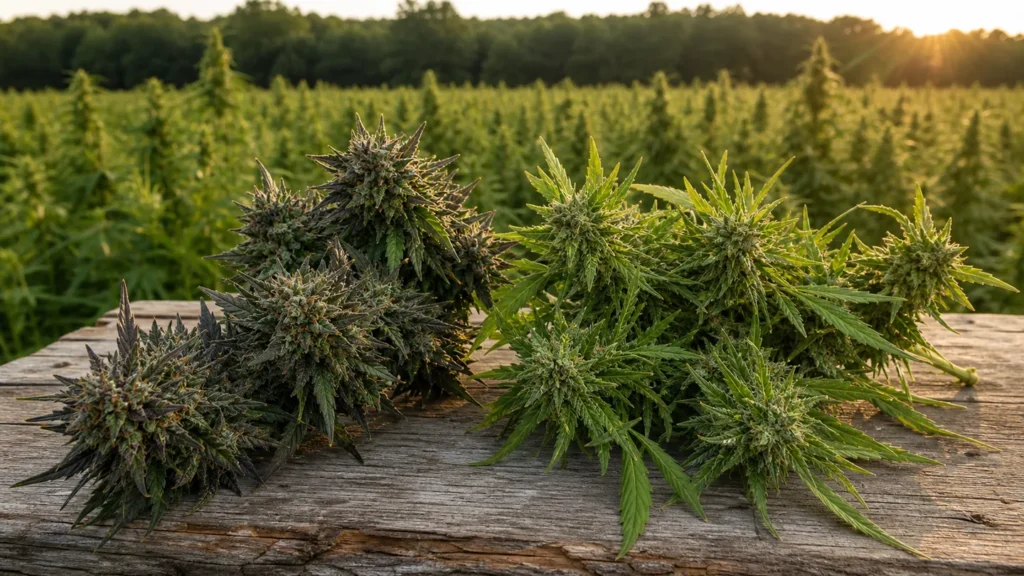
One of the first things you notice about hemp is the smell.
Walk through a field when the plants are in flower and every variety has its own aroma. One may be bright and piney. Another may be earthy, sweet, peppery, or heavy. Those differences come largely from terpenes.
Terpenes give hemp much of its smell, but their role does not end with aroma. They are part of the natural profile that helps give each strain its character and influences how that strain is experienced.
This is why two hemp strains can contain similar amounts of CBD and still feel different. One may fit naturally into the daytime. Another may be better when the day is over.
At Western MA Hemp, that difference is the foundation of our Daytime and Nighttime products. We do not start with one generic CBD extract and add ingredients to push it in two directions. We start with two different strains because the effect begins in the plant.
Terpenes Give a Hemp Strain Its Character
Terpenes are aromatic compounds made by many plants. They are why pine smells like pine, lavender smells floral, black pepper smells sharp, and hops smell earthy and green.
Hemp makes many of those same compounds in its resin-rich flowers. Myrcene, caryophyllene, pinene, humulene, limonene, linalool, and dozens of others can all be present in a single strain.
The aroma is the most obvious expression of that chemistry. It is how the plant first tells us that Lifter is not Bubba Kush and Sour Space Candy is not White CBG.
But aroma is only the beginning. Terpenes are part of the full profile of the flower, growing alongside CBD, THC, minor cannabinoids, raw cannabinoids, flavonoids, and other plant compounds. Together, that profile gives a strain its identity.
The Whole Terpene Profile Matters
It is tempting to assign one effect to one terpene.
Myrcene is often called a nighttime terpene. Pinene is often described as a daytime terpene. Caryophyllene is associated with a more grounding profile, while limonene is associated with a brighter one.
There is some truth behind those general directions, but the plant is more complicated than a chart.
A strain does not contain just one terpene. It contains a complete profile with dominant terpenes, supporting terpenes, and natural ratios that change how the whole strain comes together.
Lifter, the strain we use for our Daytime products, can contain myrcene and caryophyllene. That does not make it a nighttime strain. Those compounds sit within a broader profile that includes terpenes such as humulene and pinene and a cannabinoid balance that gives Lifter its steadier, more uplifting direction.
The same is true of Bubba Kush. Myrcene and caryophyllene are important parts of its heavier character, but they do not create that character by themselves. The whole flower does.
We pay attention to individual terpenes, but we select strains by the way the entire profile comes together.
Why Different Hemp Strains Feel Different
CBD is important, but a CBD number cannot tell you everything about a hemp product.
If two strains both contain 15 or 20 percent CBD, it is easy to assume they should feel the same. Anyone who has spent time with different hemp flowers knows they do not.
Genetics determine the kind of profile a plant is capable of producing. The soil, weather, harvest timing, drying, and curing shape how that profile develops. By the time the flower is ready, each strain has its own balance of cannabinoids and terpenes.
Those differences can change the direction of the experience. Some strains feel clearer and more uplifting. Some feel balanced and grounding. Others feel heavier and more sedating.
The effect is never created by terpenes alone. Serving size, cannabinoid content, product format, and the person taking it all matter. But the strain gives the product its starting direction.
That is why we grow and extract named varieties instead of treating all hemp as the same raw material. Our article There Is a Variety of Hemp for Everyone goes deeper into the strains we grow and what makes each one different.
Our Daytime Products Start With Lifter
We chose Lifter for our Daytime products because it leans uplifting without feeling overstimulating.
Its terpene profile can include humulene and alpha- and beta-pinene, along with myrcene, caryophyllene, bisabolol, and other terpenes that vary naturally from harvest to harvest.
We do not look at one of those compounds and call it the reason Lifter works for the day. We look at the way the strain feels as a whole: steady, balanced, and less likely to pull the day toward sleep.
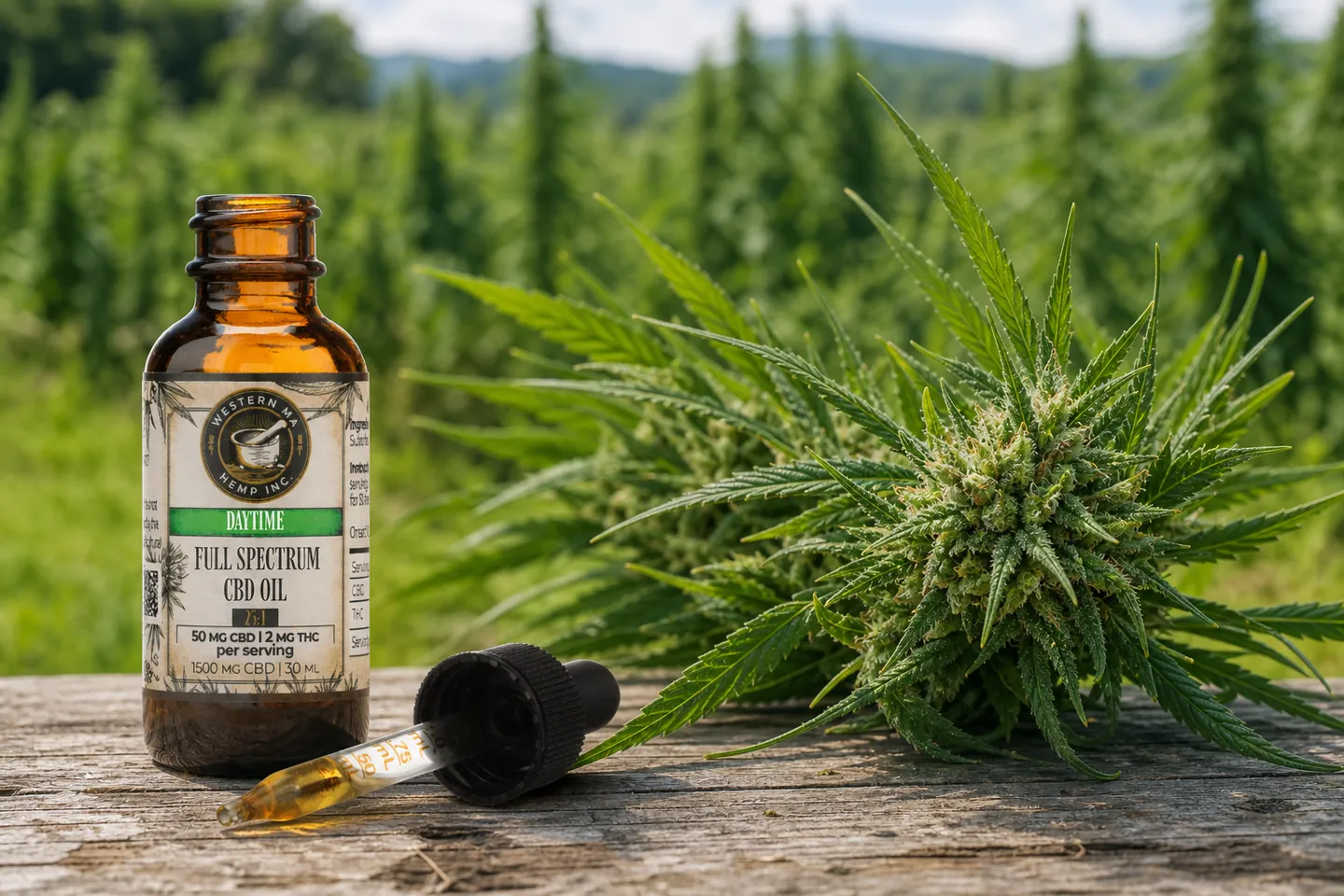
That Lifter flower is the starting material for our Full Spectrum Daytime CBD Tincture and Full Spectrum Daytime CBD Capsules.
The tincture and capsules are different formats, but the direction comes from the same place. It comes from the Lifter strain we grew.
Our Nighttime Products Start With Bubba Kush
For Nighttime, we grow Bubba Kush.
Bubba Kush has the heavier, more settling character we want at the end of the day. Myrcene and beta-caryophyllene are two of the key terpenes in that profile, supported by the rest of the compounds naturally present in the flower.
We do not add melatonin to make it feel like a sleep product. We do not add converted CBN or an isolated terpene blend to make a generic CBD oil seem more relaxing.
We chose a strain that already grows in that direction.
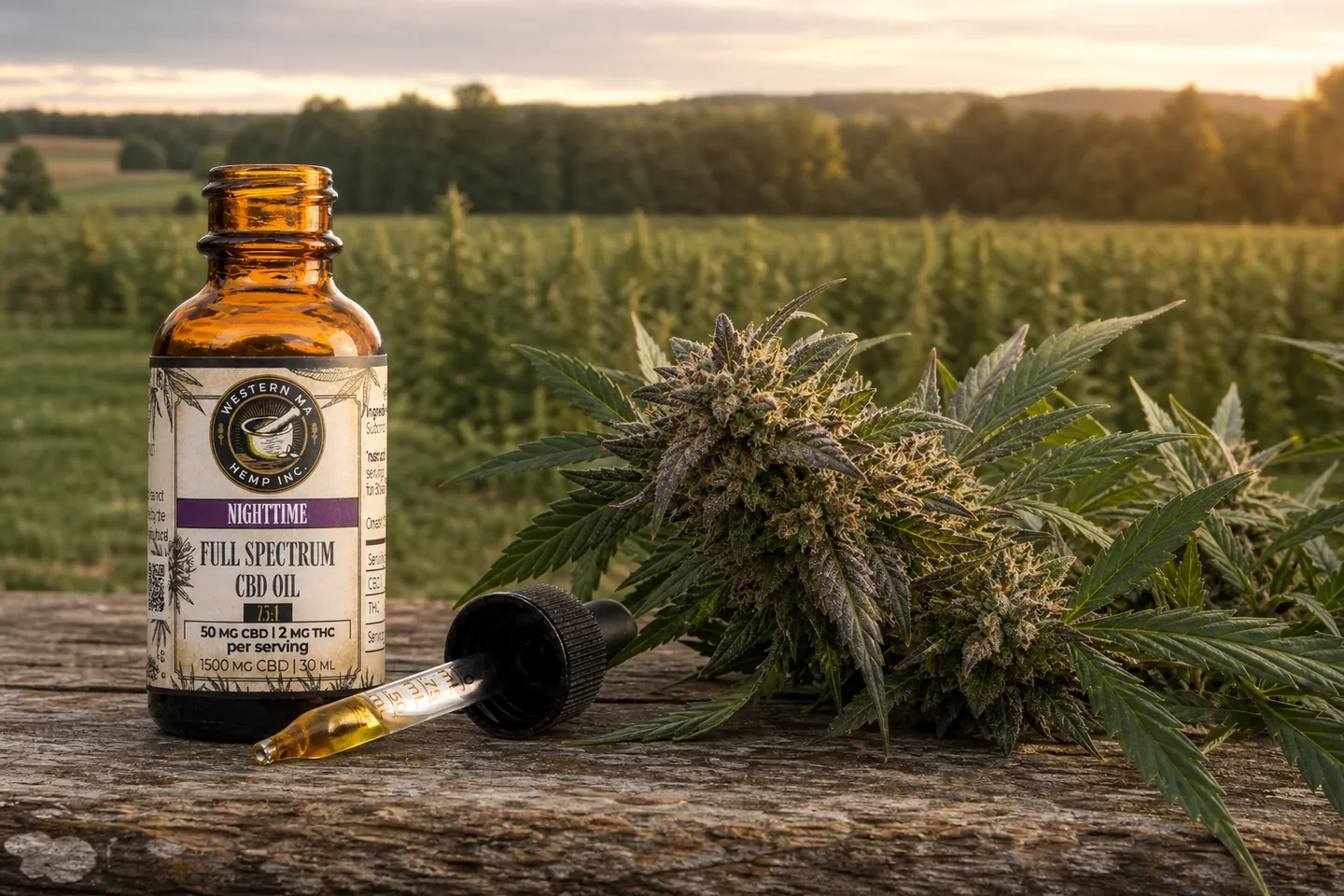
That Bubba Kush flower becomes our Full Spectrum CBD Sleep Tincture and Full Spectrum CBD Sleep Capsules.
This is what separates our Daytime and Nighttime products. They are not the same extract in different labels. They begin as different plants.
The Strain Is the Formula
Much of the hemp industry works backward.
A manufacturer starts with CBD isolate or a heavily refined distillate. The original strain has already been stripped away, so terpenes, cannabinoids, flavors, and other ingredients are added back to create a formula.
We start in the field.
We choose Lifter for the day and Bubba Kush for the night. We grow each strain separately, harvest its flower, dry and cure it slowly, and keep it in its own batch through extraction.
We do not add flavors or isolated terpenes to make the finished product resemble a strain. We preserve the strain we grew.
That approach is simpler, but it asks more from every step. The genetics have to be right. The plants have to be healthy. The flower has to be handled carefully. The extraction has to protect the profile instead of erasing it.
For us, that is the craft of making hemp products. The plant has already created the formula. Our job is to carry it from field to bottle.
Terpenes Are Easy to Lose
Terpenes are delicate. The same volatility that allows them to fill a room with aroma also makes them easy to lose through heat, air, and time.
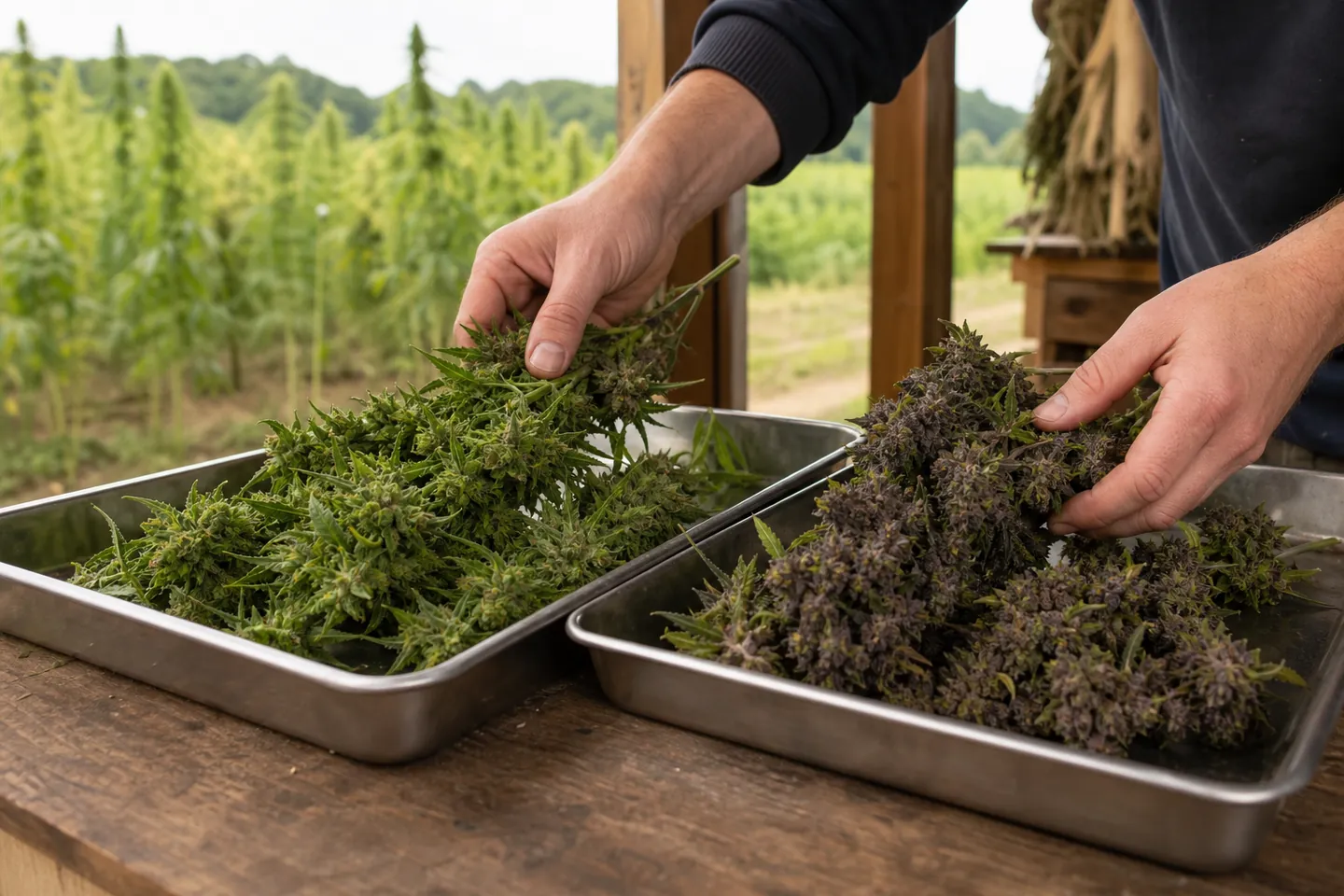
The work of preserving them begins at harvest. Drying too quickly or at too much heat can flatten the aroma of the flower. Poor storage can do the same. Grinding flower long before it is used exposes more of it to air and speeds the loss of its most volatile compounds.
Extraction creates another challenge. Heat and pressure are useful tools, but aggressive processing can pull a product farther away from the flower it came from. Distillation and heavy refinement can leave behind a high CBD number while removing much of the terpene profile and many of the plant’s smaller compounds.
Western MA Hemp uses controlled subcritical CO2 extraction at parameters chosen to protect delicate plant chemistry. We keep the extract unrefined so the finished oil retains the amber color, aroma, cannabinoids, and plant character of the original flower.
We are not trying to make every strain taste and look the same. We want Lifter to remain Lifter and Bubba Kush to remain Bubba Kush.
Our guides to how hemp extract is made and how heat changes hemp explain more about that balance.
What Research Says About Terpenes and Effects
Research into terpenes is still developing. Studies have found that individual terpenes can have biological activity and that different combinations of cannabinoids and terpenes can be associated with different experiences.
What research has not given us is a reliable rule that says one terpene will make every person feel one way.
That matches what we see in the plant. The same terpene can appear in strains with very different character. Its place in the profile matters, the cannabinoids around it matter, and the person using the product matters.
We do not use terpene research to make promises about one isolated compound. We use it as another reason to respect the complete profile and preserve the natural differences among strains.
Choosing Between Daytime and Nighttime
The simplest way to choose is to think about the direction you want from the strain.
If you want hemp that fits into an active part of the day, start with our Lifter-based Daytime products. If you want a heavier profile for winding down, start with our Bubba Kush-based Nighttime products.
Then pay attention to your own experience. Start with a modest serving, use it consistently, and notice how the strain fits your routine. A lab report can show which terpenes and cannabinoids were measured in a batch, but your response tells you whether that profile is right for you.
You can find our available batch reports on the Western MA Hemp Lab Results page.
Different Strains, Different Experiences
Terpenes are first noticed through smell, but they are part of something much larger.
They help give each hemp strain its identity. Alongside cannabinoids and the rest of the flower, the complete terpene profile helps explain why Lifter can feel right for the day while Bubba Kush feels better suited to the night.
No single terpene creates that difference. The whole strain does.
That is why our Daytime and Nighttime products begin with different plants. We choose the strain for the direction we want, then preserve its profile through careful farming, slow handling, and unrefined extraction.
Different strains. Different terpenes. Different effects.
True to the Plant from field to bottle.
FAQ
What are terpenes in hemp?
Terpenes are aromatic compounds made by the hemp plant. They give the flower much of its smell and are part of the complete profile that gives each strain its character.
Do terpenes affect how hemp feels?
Terpenes help shape the direction of a hemp strain, but they do not work alone. The complete terpene profile, cannabinoids, serving size, product format, and individual response all contribute to the experience.
Is myrcene only found in nighttime strains?
No. Myrcene can occur in both daytime and nighttime strains. Its amount, the supporting terpenes, and the cannabinoid profile around it are more important than its presence by itself.
What terpenes are important in Western MA Hemp’s Daytime products?
Our Lifter-based Daytime profile includes terpenes such as humulene and alpha- and beta-pinene, along with myrcene, caryophyllene, bisabolol, and other compounds that vary by harvest. The complete Lifter profile gives the products their daytime direction.
What terpenes are important in Western MA Hemp’s Nighttime products?
Myrcene and beta-caryophyllene are two key terpenes in the Bubba Kush profile used for our Nighttime products. They work with the rest of the flower to create its heavier, more settling character.
Does Western MA Hemp add terpenes to its products?
No. We preserve the naturally occurring terpene profile of the strain through careful handling and controlled extraction rather than adding isolated terpenes or flavors to a generic CBD base.
Can heat destroy hemp terpenes?
Too much heat can drive off or change volatile terpenes. Careful drying, curing, extraction, and storage help preserve more of the profile created by the flower.