Why Drying and Curing Hemp Matter
A hemp harvest isn’t finished when the plants leave the field. The next several weeks are an important part of turning a season’s work into the hemp we use in our products.
After months of growing, the flowers arrive with their own combination of cannabinoids, aromatic terpenes, and other naturally occurring plant compounds. How we handle that material after harvest helps determine how much of its character carries forward.
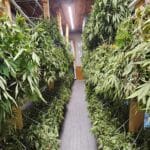
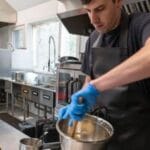
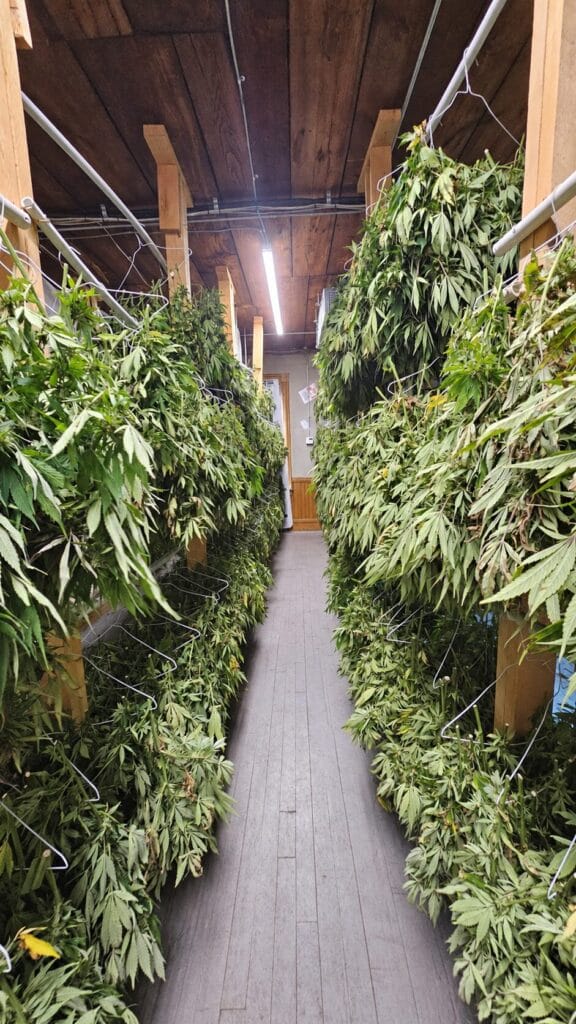
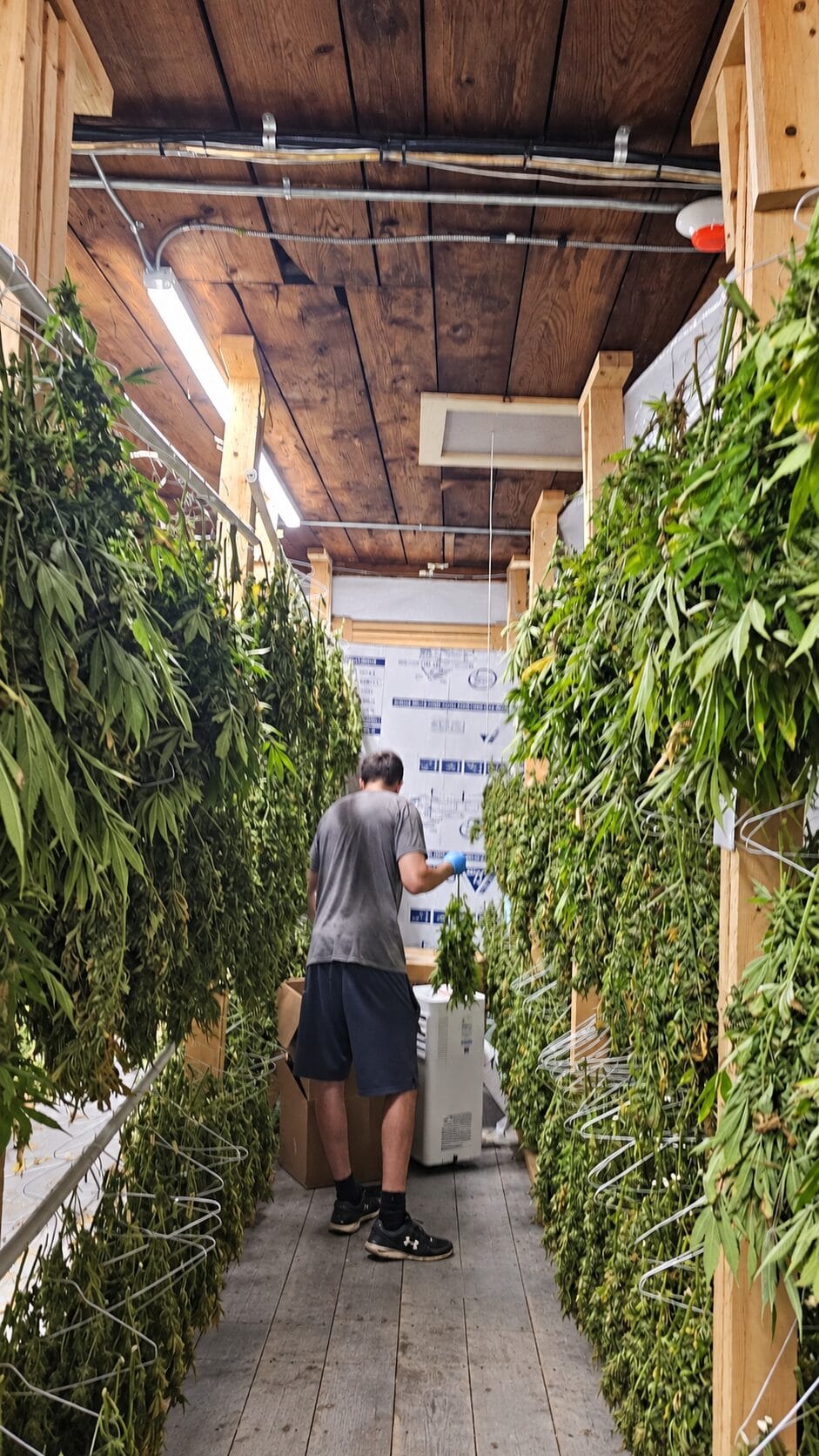
At Western MA Hemp, drying and curing hemp begins with hand harvesting. We hang our plants in our atmosphere-controlled drying facility for approximately 7–14 days, followed by another few weeks of curing. That process gives the crop time to dry and settle before moving into the next stage.
We shared a look at this work in our first hemp harvest of 2026. Here’s a closer look at why those weeks after harvest deserve just as much attention as the growing season.
Protecting What the Plant Has Grown
Look closely at a mature hemp flower and you’ll see tiny resin glands called trichomes. These structures contain many of the cannabinoids and terpenes that give each variety its particular chemical and aromatic profile.
By harvest time, the plant has spent months developing those compounds. Our job becomes protecting them as the crop moves from the field into drying, curing, and eventually extraction.
That starts with handling. The resin glands are delicate, so unnecessary rough handling can damage the material we’ve worked all season to grow. Hand harvesting allows us to work carefully with the plants as we cut, move, and hang them.
The same attention carries into drying. The flowers need to release moisture while retaining as much of their natural character as possible.
That fits our whole-plant approach: caring for the full range of qualities that make each crop worth growing.
What Drying Actually Does
Freshly harvested hemp contains substantial moisture. Drying removes enough of that water to prepare the material for curing and storage.
The challenge is keeping that process consistent throughout the flower and across the batch. Leaves, stems, and dense flowers don’t all release moisture at the same pace. Material that feels dry on the surface may still hold moisture farther inside.
Temperature, humidity, and airflow all influence how that moisture leaves the plant.
Air movement carries moisture away from the surface. Managing humidity helps prevent that moisture from building up around the hanging crop. Temperature affects the pace of drying, with excessive heat also putting delicate aromatic compounds at risk.
A good drying process balances these conditions. The aim is to bring the flower into a stable condition while preserving the qualities developed in the field.
Why We Hang Our Hemp in a Controlled Environment
After hand harvesting, we bring the crop into our atmosphere-controlled facility and hang it to dry.
Hanging keeps the harvested material supported while allowing air to move around it. Bringing the crop indoors also gives us a dedicated environment for this stage, separate from the changing conditions outside.
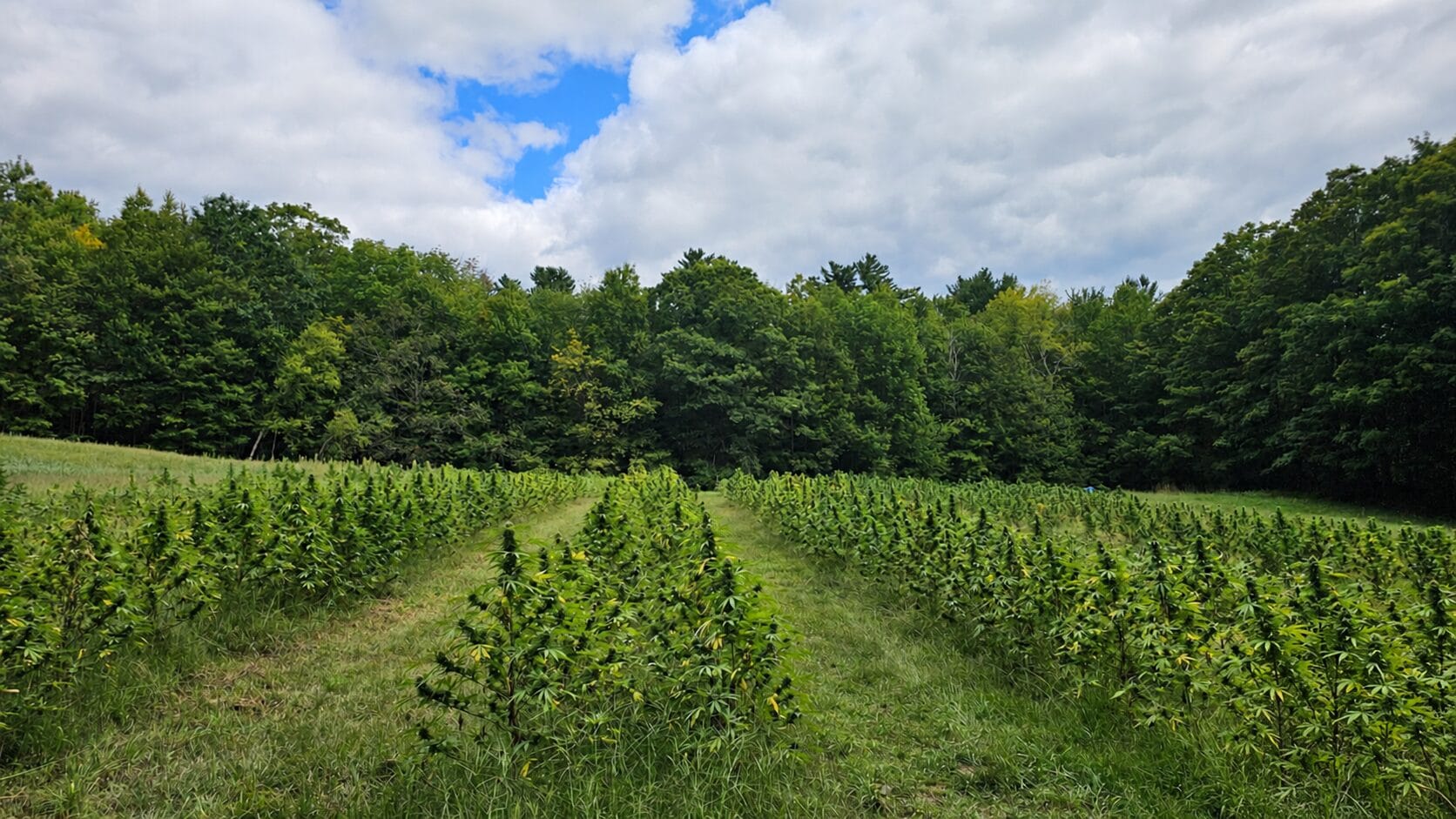
That matters on a Massachusetts farm. Rain, cold nights, and heavy dew can all shape the final weeks of the growing season. Once the plants are harvested, our drying facility gives us greater control over what happens next.
Our hemp generally spends 7–14 days hanging, with the actual timing depending on the material and how drying progresses. Branch size, flower density, and the moisture present at harvest can all influence that timeline.
The calendar gives us a general window. The condition of the crop tells us when it’s ready to move forward.
Those days are an extension of the care that went into growing the plants. We’ve already invested a season in the crop, and giving it proper attention indoors is part of seeing that work through.
Curing Gives the Flower Time to Settle
Once the initial drying stage is complete, our hemp moves into curing for another few weeks.
Drying and curing are closely connected, but they serve different purposes. Drying handles the initial removal of moisture. Curing gives the dried flower additional time for remaining moisture to become more evenly distributed and for its aroma and character to develop.
This stage requires continued attention to the material and its surroundings. Dried hemp can absorb moisture from humid air, so appropriate conditions remain important after the hanging stage is finished.
Time alone doesn’t determine the quality of a cure. The condition of the flower and how it’s handled throughout the process matter just as much.
For us, those additional weeks are part of preparing the harvest properly before it moves into processing.
Why Drying and Curing Matter for Hemp Extract
Drying and curing often come up in conversations about hemp flower, but their importance extends to products made with hemp extract.
The hemp used in our oils, capsules, and lotion starts as harvested plant material. Its condition matters before extraction begins.
An extraction method works with the compounds present in that material. It cannot bring back terpenes that have already evaporated or undo deterioration caused by poor storage.
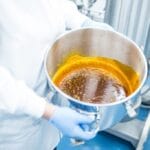
That’s why our post-harvest care connects directly with our approach to subcritical CO₂ extraction. Growing, harvesting, drying, curing, and extracting are linked stages of the same process.
Each stage gives us an opportunity to protect the qualities we want to carry forward.
It also helps explain why CBD oils with the same labeled strength can be different. A cannabinoid number describes one part of a finished product. It doesn’t tell the full story of the plants, their handling, or the extract made from them.
From the Field to the Finished Product
Working with our own harvest keeps us connected to these details.
We see the plants growing. We handle them at harvest. We bring them into the drying facility and give them time to cure. Those steps provide continuity between the crop in the field and the ingredients we work with later.
It’s a practical expression of our whole-plant philosophy: choose the plants carefully, grow them well, and continue treating them with care after they’re cut.
The harvest brings the crop indoors. Drying and curing help carry the season’s work forward.
Frequently Asked Questions About Drying and Curing Hemp
What’s the difference between drying and curing hemp?
Drying removes the bulk of the moisture from freshly harvested plants. Curing follows that initial drying period, allowing remaining moisture to balance through the flower while its aroma and character continue to develop.
How long does Western MA Hemp dry and cure its harvest?
We generally hang our hand-harvested hemp in our atmosphere-controlled facility for 7–14 days, followed by another few weeks of curing. The material’s condition helps determine when it’s ready for the next stage.
Is a longer drying or curing time always better?
The right timing depends on the crop and the conditions. Keeping material too damp can allow mold to develop, while excessive drying can leave flower brittle and diminish its aromatic qualities. The goal is a controlled process suited to the material.
Does post-harvest care matter if the hemp will be extracted?
Yes. Careful drying, curing, and storage help preserve the starting material for extraction, whether the resulting extract is used in an oil, capsule, or lotion.