Why We Use Subcritical CO₂ Extraction
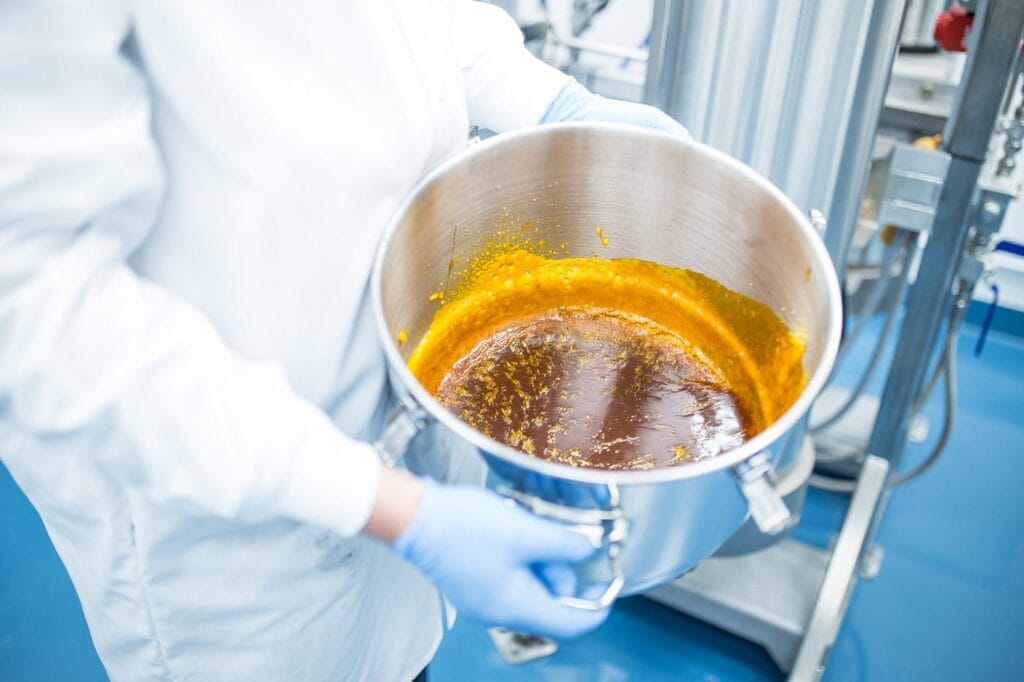
Subcritical CO2 extraction is one of the most important choices we make after our hemp leaves the field. We put months into selecting the right genetics, caring for the plants, watching them mature, and harvesting at the right time. The extraction process should carry that work forward—not strip it away.
At Western MA Hemp, our goal is not to separate CBD from everything around it. We want to capture a broad, plant-rich hemp extract that retains the cannabinoids, terpenes, natural oils, and other compounds the plant produced together. That is why we use a gentler subcritical CO2 process and keep refinement to a minimum.
What Is Subcritical CO2 Extraction?
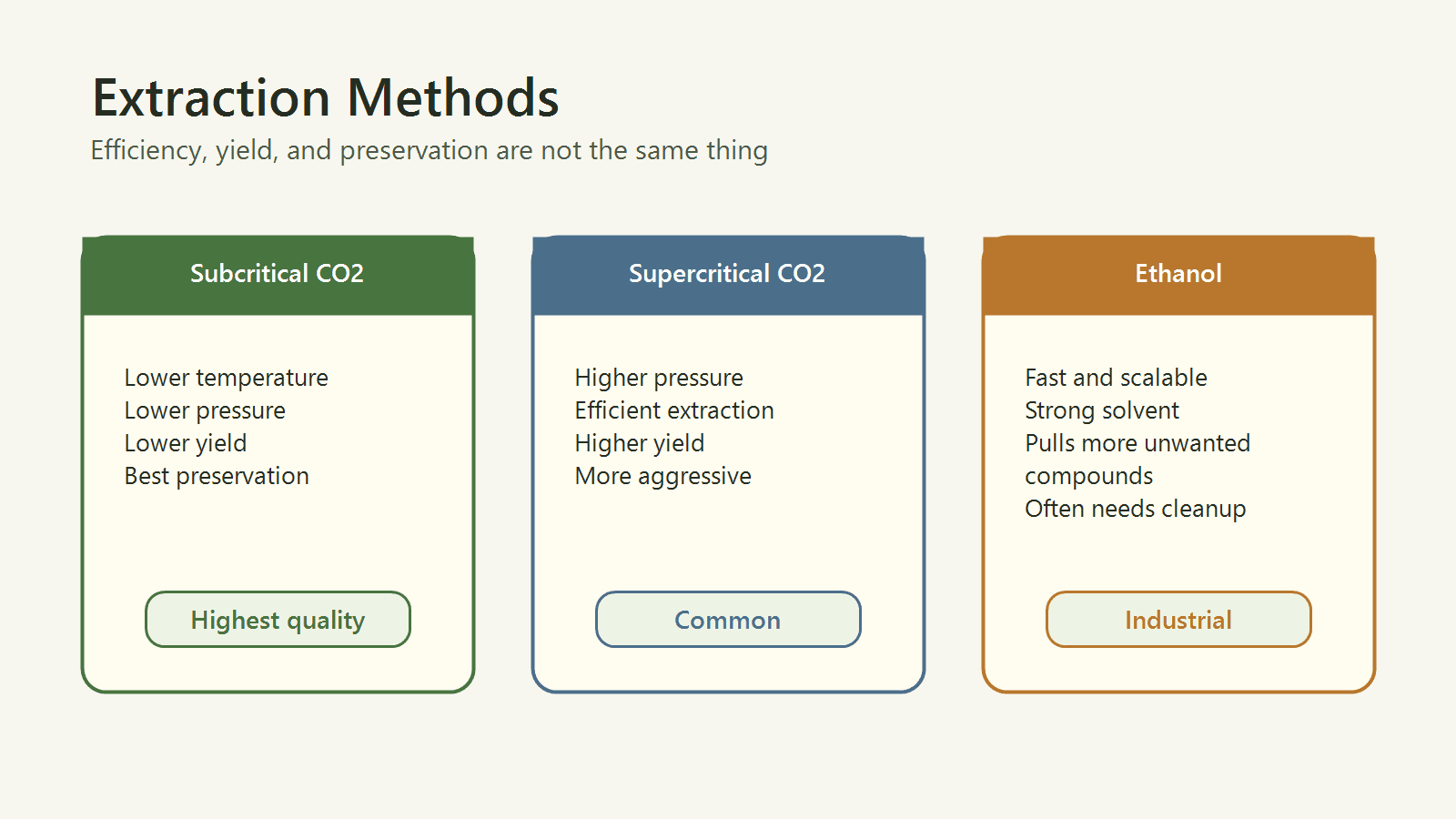
CO2 extraction uses carbon dioxide under controlled temperature and pressure to draw oil-soluble compounds from hemp. Changing those conditions changes how the extraction behaves.
Subcritical extraction operates at lower temperatures and pressures than the more common supercritical process. It is slower and may produce a lower yield, but maximum output is not our goal. Our priority is preserving more of the plant’s natural character and producing a full-spectrum extract with as little unnecessary processing as possible.
Because CO2 returns to a gas when the pressure is released, it separates cleanly from the finished extract. This gives us a plant-rich oil without relying on harsh chemical solvents.
Extraction Cannot Replace Plant Quality
A good extraction method can preserve what is already present, but it cannot create quality that was never in the plant. The genetics, soil, growing practices, harvest timing, drying, and curing all shape the material before it ever reaches the extractor.
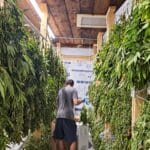
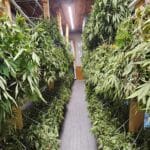
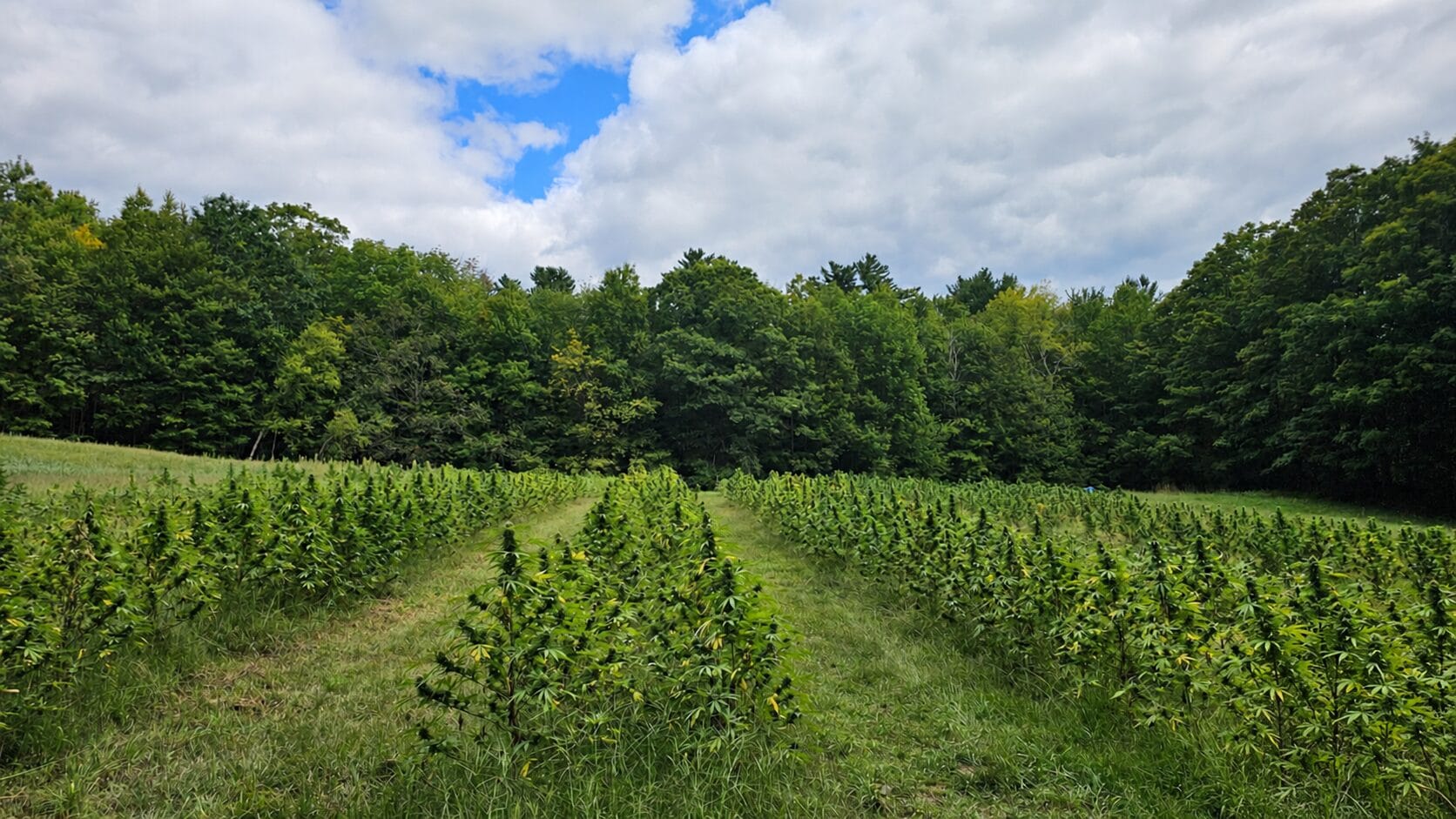
That is why our process begins on our Western Massachusetts farm. We grow hemp for the chemistry and character we want in the finished product, then handle it carefully after harvest. Extraction is not a shortcut around farming. It is the next step in protecting the work already done in the field.
Why We Extract Flower Instead of Industrial Biomass
Not all hemp material is equal. Much of the industry starts with mixed biomass made up of leaves, stalks, stems, and lower-grade plant material. That may be economical when the goal is to isolate one compound or produce as much CBD as possible, but it is not how we approach full-spectrum hemp.
We extract from hemp flower because that is where the plant concentrates much of its resin. The resin holds the cannabinoids, aromatic terpenes, and other oil-soluble compounds we want to carry into the finished extract. Starting with quality flower gives a gentle process better material to work with.
This is also why two products with similar CBD numbers can still be very different oils. Milligrams tell you how much of one cannabinoid is present. They do not tell you what plant material was used, how it was extracted, how aggressively it was refined, or what remains alongside the CBD.
Preserving the Natural Chemistry of Hemp
Hemp does not naturally produce CBD in isolation. It produces a complex resin containing multiple cannabinoids, terpenes, aromatic oils, pigments, waxes, and other plant compounds. Together, they create the plant’s natural chemical profile.
Our extraction method is designed to retain a broad range of those compounds. We are not trying to make a clear, nearly flavorless ingredient that could have come from any plant or any farm. We want an extract that still reflects the hemp it came from.
That is what full spectrum means to us: not simply adding a trace amount of THC to highly refined CBD, but preserving a meaningful range of the compounds that were present in the flower.
Why Lower Temperature Matters
Some of the most distinctive parts of hemp are also among the most delicate. Terpenes are especially sensitive to heat and aggressive processing. They help give each variety its aroma and character, and they are part of the reason one hemp variety can feel different from another even when the CBD numbers look similar.
The lower-temperature conditions used in subcritical CO2 extraction help us protect more of these volatile compounds. That supports an extract with more aroma, more plant character, and a chemical profile that remains closer to the flower.
Why We Avoid Heavy Refinement
Extraction is only part of the story. What happens afterward can change the oil just as much.
Many extracts are winterized, distilled, deodorized, bleached, separated, or otherwise refined until they become lighter in color and milder in flavor. Those steps can make an ingredient easier to standardize, but they also remove many of the natural compounds that distinguish a plant-rich extract from a purified CBD ingredient.
We do not chase clarity for its own sake. Our extract keeps its natural amber color, hemp aroma, and plant flavor because we avoid turning it into isolate or distillate. Those visible and sensory qualities are not flaws. They are signs that the extract still contains more than a single purified cannabinoid.
CO2 Leaves the Extract Clean
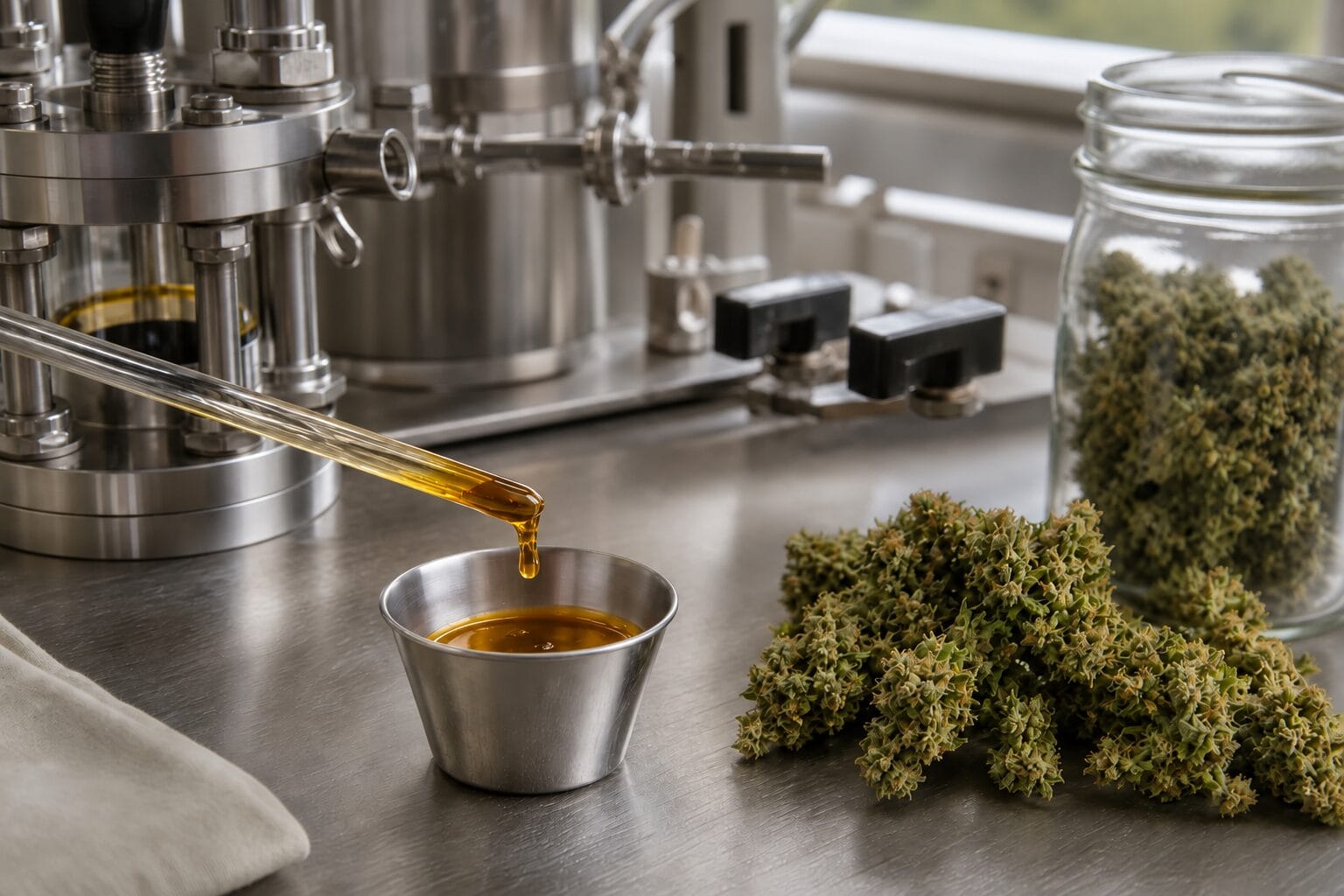
CO2 is useful because it changes behavior under pressure and then returns to a gas when the process is complete. Once the extraction vessel is depressurized, the CO2 separates from the hemp extract instead of remaining behind as a liquid solvent.
That allows us to make a concentrated full-spectrum extract without adding harsh solvent residues to the final product. We still verify quality through third-party testing, and customers can review current reports on our lab results page.
The Same Extract, Different Finished Products
The subcritical extract is the foundation of our products, but each finished formula is made for a different purpose. In a tincture, the extract is blended with hemp heart oil. In capsules, it is portioned into a convenient, tasteless format. In our full-spectrum CBD lotion, it joins a water-based herbal preparation made with botanicals selected for topical use.
The format changes, but the starting point remains the same: a broad, minimally refined extract made from hemp flower.
How You Can Recognize a Plant-Rich Extract
A quality full-spectrum hemp extract should still show signs of the plant it came from. In a finished oil, that often means a natural gold-to-amber color and a recognizable hemp flavor. It should not need artificial flavoring to disguise poor material or harsh processing.
The ingredient list should also be short and understandable, and the lab report should show more than a CBD total. Look for multiple naturally occurring cannabinoids and, when reported, terpenes. You can learn more in our guide to how hemp extract is made.
True to the Plant From Field to Finished Product
We use subcritical CO2 extraction because it fits the way we approach hemp from the beginning. We grow for quality, harvest with care, dry slowly, extract gently, and avoid unnecessary refinement. Each step is meant to preserve what the plant naturally produced.
A finished hemp product should not be reduced to a CBD number alone. The quality of the flower, the care taken after harvest, the extraction conditions, and what the maker chooses not to remove all matter. For us, subcritical CO2 extraction is how we carry the character of our Massachusetts-grown hemp from the field into every product we make.
Frequently Asked Questions About Subcritical CO2 Extraction
Is CO2 extraction safe?
CO2 is widely used in food and botanical processing. During extraction, it is placed under carefully controlled pressure and temperature. When the pressure is released, the CO2 returns to a gas and separates from the hemp extract. We also use independent laboratory testing to verify the cannabinoid profile and safety of our finished products.
What is the difference between subcritical and supercritical CO2 extraction?
Both methods use carbon dioxide, but under different conditions. Supercritical extraction uses higher pressure and often higher temperatures to extract material quickly and efficiently. Subcritical extraction uses gentler conditions. It is slower and may yield less, but it can better preserve delicate terpenes and other components of the plant.
Why is subcritical extraction less common?
Most large-scale extraction is designed around speed, volume, and maximum yield. A slower process that leaves some material behind is less attractive when output is the main priority. We choose subcritical extraction because the character and composition of the extract matter more to us than extracting every possible gram.
Does subcritical CO2 extraction preserve terpenes?
Its lower-temperature conditions are gentler on heat-sensitive aromatic compounds than many aggressive extraction and refinement methods. The quality of the original flower and the way it was dried and stored also play a major role in how much of its terpene character reaches the final extract.
Does your extract contain only CBD?
No. Our full-spectrum extract contains CBD alongside other naturally occurring cannabinoids, terpenes, oils, and additional hemp compounds. The exact profile can vary by harvest, which is why the batch-specific laboratory report is more useful than judging an oil by its CBD number alone.
Do you turn the extract into isolate or distillate?
No. We do not refine our full-spectrum extract into isolated CBD or a heavily distilled ingredient. Our goal is to keep the extract broad and true to the plant rather than remove its natural character.
Why does a plant-rich extract have a natural flavor and color?
The amber color, hemp aroma, and plant flavor come from the range of compounds that remain in the extract. Clear or nearly flavorless oils are often made with highly refined ingredients. Very dark, harsh oils are not automatically better, either. Color and flavor should be considered alongside the ingredient list and laboratory report.
Do you use the same hemp extract in all Western MA Hemp products?
Our products begin with our full-spectrum hemp extract, then we formulate it differently depending on how the product will be used. Tinctures, capsules, topicals, and other formats each require a different finished formulation, but the same true-to-the-plant philosophy guides all of them.
How can I see what is in the finished extract?
Read the product label and review the batch-specific certificate of analysis. A useful report should show CBD along with other detected cannabinoids and include contaminant screening. Our current reports are available on our lab results page.