After Harvest: Caring for Our Hemp Fields
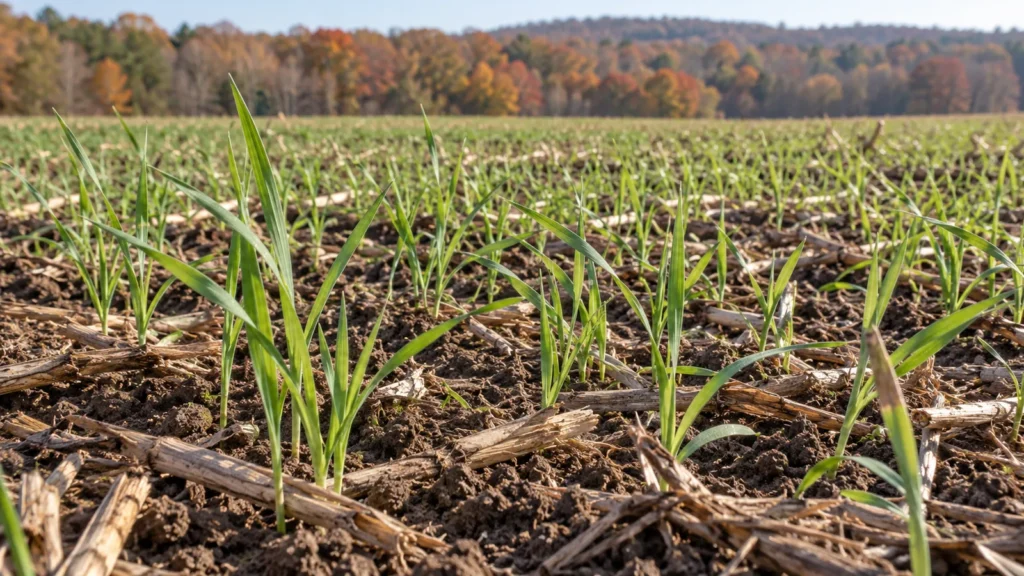
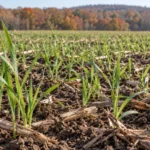
Illustration: young winter rye establishes after harvest, providing cover as the field heads into winter.
Bringing in the last hemp plants is a big milestone on the farm, but it doesn’t mark the end of our work outdoors. While the harvested flower dries and cures inside, we turn our attention back to the ground that supported it.
At Western MA Hemp, caring for our hemp fields after harvest follows the seasons: we stump the plants, till the remaining material into the soil, and sow winter rye. In spring, we follow with clover. Each step has a purpose, from returning organic material to the field to keeping the ground covered between hemp crops.
Returning Hemp Stalks and Stumps to the Soil
We use hemp flower in our products because it holds the highest concentration of the resin we’re after. Once that flower has been harvested, the remaining stalks and stumps still have a role to play on the farm.
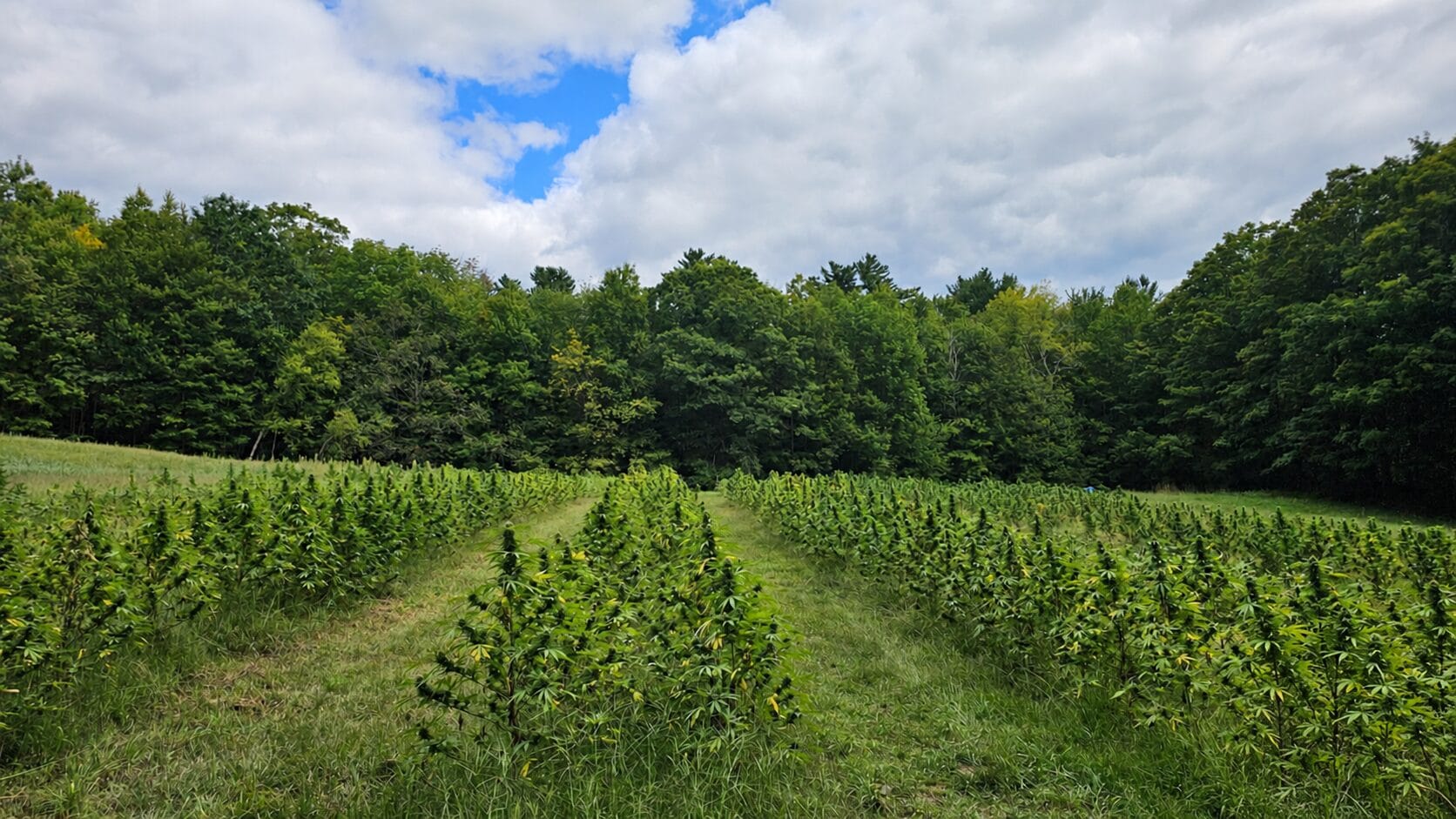
We stump the plants and till that material back into the soil, where decomposition gradually turns it into food for soil organisms and returns nutrients to the field.
Hemp stalks are tough and fibrous. They break down more slowly than soft leaves, making this part of our longer-term soil care rather than an instant fertilizer application. Bacteria, fungi, and other decomposers work through the plant material over time, helping move nutrients through the soil’s living system.
Returning crop residue keeps some of what the field produced right where it grew. It also provides organic material that supports soil organisms and nutrient cycling.
Why We Sow Winter Rye After Harvest
After tilling, we sow winter rye.
In Massachusetts, the stretch between fall harvest and spring planting includes rain, snow, frozen ground, and thawing soil. Leaving a field bare throughout that period gives water and wind more opportunity to move soil away.
Winter rye is well suited to this transition. It can establish in cool fall weather, survive the winter, and resume growth in spring. Above ground, it provides protective cover. Below ground, its fibrous roots help hold the soil in place.
Rye also takes up nutrients left in the soil after harvest, including nitrogen that could otherwise move out of the root zone with water. Those nutrients become part of the growing cover crop instead of being left unused.
That combination of winter hardiness, erosion protection, and nutrient capture makes rye a useful part of our fall field work. As it establishes, its growth also competes with weeds for space and light.
Adding Clover as a Spring Cover Crop
When spring arrives, we sow clover to continue our cover-cropping routine.
Clover provides low-growing vegetation that helps cover the soil surface. Its roots contribute to the living activity below ground, while its foliage adds plant material that can eventually return to the soil.
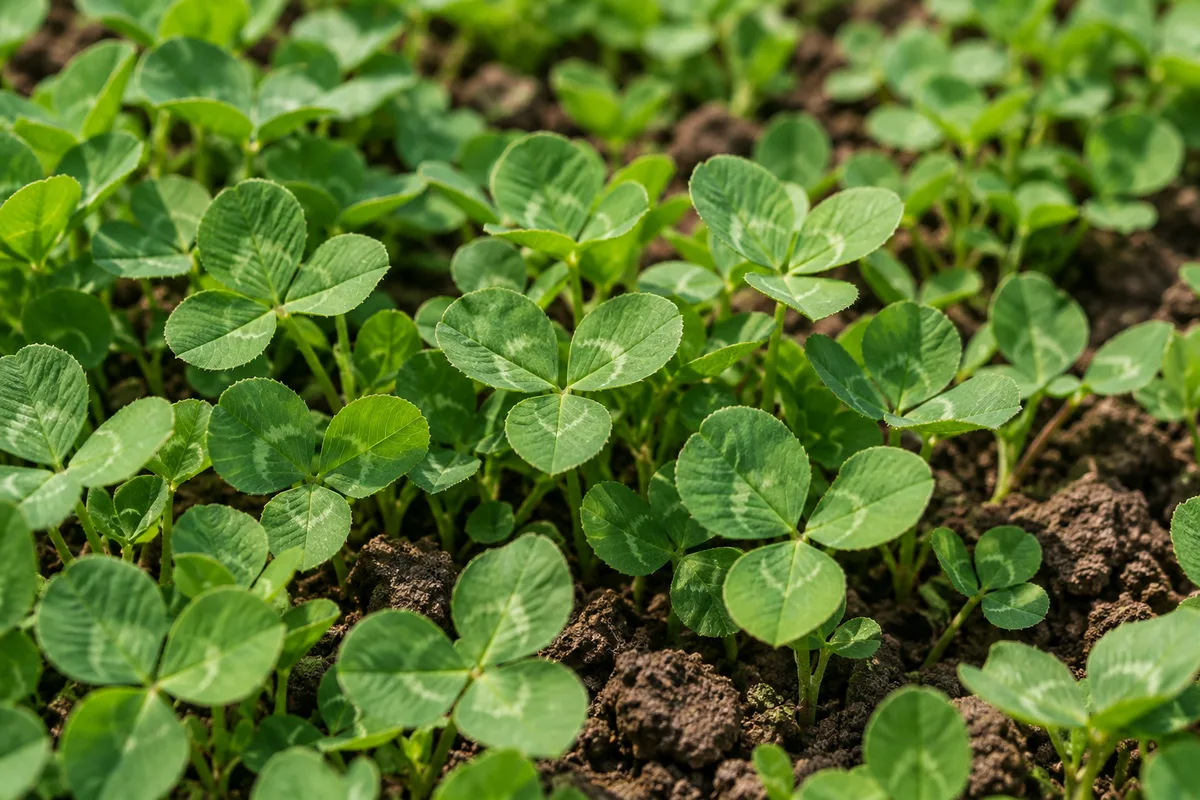
It also brings a different ability to the field: nitrogen fixation.
Clover is a legume. Through a partnership with bacteria living in nodules on its roots, it can capture nitrogen from the air and incorporate it into plant tissue. As that tissue breaks down, some of the nitrogen becomes available for future plant growth.
This gives clover a complementary role alongside rye. Rye captures nutrients already in the soil; clover can introduce nitrogen through its relationship with those root bacteria. Together, these different cover-crop functions help explain why we use more than one kind of plant between hemp seasons.
Caring for Our Hemp Fields Between Harvests
The flowers get most of the attention at harvest, and understandably so. They’re the part of the crop that eventually becomes our hemp products. But the months between harvest and planting deserve attention, too.
Returning the remaining plants, establishing winter rye, and sowing clover in spring give us a practical routine for that quieter part of the farming year. We’re putting organic material back into the ground, protecting the surface, and making room for another cycle of growth.
By the time the next hemp season begins, the field has already been part of months of ongoing farm work.
For more from the farm, read about how we choose when to harvest hemp and the completion of our 2026 hemp harvest.