
Endocannabinoid System Basics

Summary
The endocannabinoid system is a body-wide communication network. This article explains endocannabinoids, CB1 and CB2 receptors, and how full spectrum hemp products may fit into a simple wellness routine.
Quick takeaway: your body already has an endocannabinoid system. Hemp products do not create it. They interact with a system that is already working in the background every day.
If you are new to hemp, the phrase endocannabinoid system can sound more complicated than it needs to be.
But the basic idea is simple.
Your body has a natural signaling network that helps it stay balanced. Scientists call that network the endocannabinoid system, or ECS for short. It plays a role in many everyday functions, including sleep, mood, appetite, stress response, immune activity, and how the body reads discomfort.
That does not mean hemp is a cure-all. It does mean there is a real reason people talk about hemp, CBD, CBG, and other cannabinoids in connection with balance and daily wellness.
Let’s break it down in plain English.
What Is the Endocannabinoid System?
The endocannabinoid system is a communication system in the body.
Think of it like a set of check-in signals. When something in the body moves too far in one direction, the ECS helps send messages that support balance. Scientists often call this balance homeostasis. In plain terms, homeostasis means your body is trying to stay steady.
The ECS is not one organ. It is not only in the brain. It is a body-wide network made up of three main parts:
- Endocannabinoids: cannabinoid-like compounds your body makes on its own.
- Receptors: small receiving sites that help cells hear those messages.
- Enzymes: tools that build and break down endocannabinoids after they do their job.
The word endocannabinoid sounds unusual, but it simply means “cannabinoid from within.” Your body makes its own cannabinoid-like messengers. Hemp makes plant cannabinoids, also called phytocannabinoids. CBD and CBG are examples of phytocannabinoids.

The Three Main Parts of the ECS
1. Endocannabinoids: Your Body’s Own Messengers
Your body makes endocannabinoids when it needs them. Two of the best-known endocannabinoids are called anandamide and 2-AG.
You do not need to memorize those names. What matters is what they do. Endocannabinoids help carry messages between cells. Once the message is sent, the body breaks them down instead of letting them keep building up.
That is one reason the ECS is often described as a balancing system. It is active, responsive, and always adjusting.
2. Receptors: Where the Message Lands
Receptors are like locks on the surface of cells. Endocannabinoids and cannabinoids can interact with those locks in different ways.
The two main receptors you will usually hear about are:
- CB1 receptors: found mostly in the brain and central nervous system.
- CB2 receptors: found more often in immune-related tissues and other parts of the body.
This is why the ECS can be connected to so many areas of life. It is involved in signaling across the nervous system, immune system, digestive system, and more.
3. Enzymes: The Cleanup Crew
After endocannabinoids send their message, enzymes help break them down.
This matters because the body does not need every signal turned on all the time. A healthy signaling system needs a start and a stop. Enzymes help the ECS stay responsive instead of overactive.
What Does the Endocannabinoid System Actually Do?
The ECS is involved in many everyday functions. That does not mean it controls everything by itself. The body is more complex than that. But the ECS does help with communication between systems.
Researchers have connected the ECS to areas such as:
- Sleep and wake cycles
- Mood and stress response
- Appetite and digestion
- Immune system activity
- Inflammation signaling
- Pain and discomfort signaling
- Memory and learning
A simple way to think about it: the ECS helps the body notice what is happening and respond in a measured way.
For example, when you are under stress, your body has to decide how strongly to react. When you are tired, your body has to shift toward rest. When your immune system is active, your body has to manage that response. The ECS is one of the systems involved in those checks and balances.
How Hemp Fits Into the Picture
Hemp contains plant cannabinoids. CBD and CBG are two common examples, but the hemp plant makes many more compounds than that.
These plant cannabinoids are not the same as your body’s own endocannabinoids. But they can interact with the ECS and related signaling pathways. That is why people often use hemp products as part of a daily wellness routine.
CBD is non-intoxicating. CBG is also non-intoxicating. They are different from THC, the cannabinoid most associated with the “high” from cannabis.
At Western MA Hemp, this is one reason we care so much about the whole plant. Hemp is not just one compound. A true-to-the-plant extract preserves a broader profile of cannabinoids, terpenes, and other naturally occurring plant compounds instead of reducing hemp down to isolated CBD.
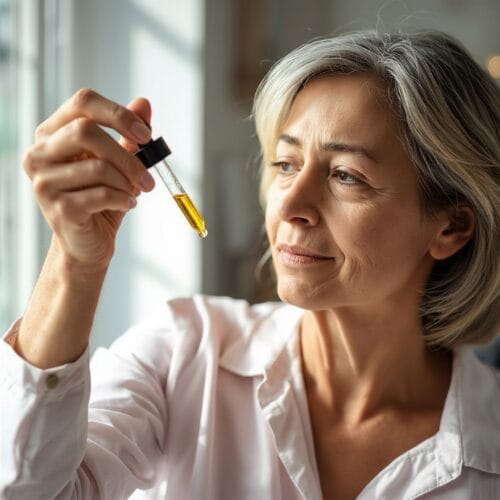
Why Full Spectrum Matters
If the ECS is a signaling system, then product quality matters.
A heavily refined product may contain CBD, but it may not carry much of the original plant profile. A fuller hemp extract can include minor cannabinoids, raw cannabinoids, terpenes, and other compounds that naturally occur in the flower.
This is the idea behind full spectrum hemp. It is not just about CBD plus a trace amount of THC. It is about keeping more of the plant’s natural complexity together.
That is also why lab testing matters. A good hemp product should make it easy to see what is in the bottle or capsule. Look for batch-specific lab reports so you can check cannabinoid content before you use it.
Helpful next reads:
What Hemp Should Feel Like
Hemp is usually subtle. For many people, it does not feel like a sudden switch flipping on.
Instead, people often notice small changes over time. They may feel more even, more settled, or more able to move through the day without feeling as pulled off center.
That does not happen the same way for everyone. Your body, your routine, the product type, the serving size, and consistency all matter.
If you are new to hemp, start with a simple approach:
- Choose one product at a time.
- Start with a low serving.
- Use it consistently for at least one week.
- Pay attention to sleep, mood, stress, and general comfort.
- Adjust slowly if needed.
For a more practical guide, read How Much Hemp Extract Should I Take? and What to Expect When Taking Hemp.
What the ECS Does Not Mean
The ECS is real science, but it is easy for brands to overstate what that means.
Here is the grounded version:
- The ECS is an important body system.
- Hemp cannabinoids can interact with that system.
- Research is still developing.
- People can respond differently.
- Hemp products are not a replacement for medical care.
That last point matters. If you are pregnant, nursing, taking medication, or managing a health condition, talk with a healthcare professional before using hemp products.
How to Choose a Hemp Product With the ECS in Mind
If you are choosing hemp because you want to support your daily routine, keep the decision simple.
Look for a full plant profile
Choose products made from full spectrum hemp extract, not just isolated CBD. The hemp plant naturally contains many compounds, and those compounds are part of the plant’s character.
Check the lab report
Do not rely only on the front label. A current Certificate of Analysis shows cannabinoid levels and helps confirm product quality.
Keep the ingredients clean
Short ingredient lists are easier to understand. Western MA Hemp oils are built around hemp extract and hemp seed oil, without unnecessary flavors or fillers.
Match the product to your routine
Oils are easy to adjust by the dropper. Capsules are simple and consistent. Topicals are applied to a specific area. The best choice is the one you can use consistently.
Frequently Asked Questions
What is the endocannabinoid system in simple terms?
The endocannabinoid system is a body-wide communication network. It helps the body send and receive signals related to balance, including sleep, mood, appetite, immune activity, and discomfort signaling.
Do I have an endocannabinoid system if I have never used hemp?
Yes. Everyone has an endocannabinoid system. Your body makes its own endocannabinoids whether or not you use hemp or cannabis products.
What are CB1 and CB2 receptors?
CB1 and CB2 are the two main cannabinoid receptors. CB1 receptors are found mostly in the brain and central nervous system. CB2 receptors are found more often in immune-related tissues and other areas of the body.
How does CBD work with the endocannabinoid system?
CBD does not work like a simple on/off switch. It appears to interact with the ECS and other signaling pathways in a more indirect way. Research is still developing, so it is best to think of CBD as one plant compound that may support a broader wellness routine.
Is the endocannabinoid system only about cannabis?
No. The ECS is part of the human body. Cannabis and hemp helped scientists discover and study it, but the system itself is not created by cannabis. Your body already uses endocannabinoids naturally.
Can hemp products fix my endocannabinoid system?
No product should promise that. Hemp products may support your routine, but they are not intended to diagnose, treat, cure, or prevent any disease. Quality, consistency, serving size, and your individual body all matter.
The Bottom Line
The endocannabinoid system is one reason hemp makes sense as a daily wellness plant.
Your body already uses cannabinoid-like messengers to help maintain balance. Hemp brings plant cannabinoids into that conversation. When the product is true to the plant, batch-tested, and used consistently, it gives you a clearer way to understand what hemp is doing and why quality matters.
If you are ready to explore hemp in a practical way, start with clean, full spectrum products and current lab results. Browse Western MA Hemp’s full spectrum CBD and CBG products, or visit the CBD education guide to keep learning.
Hemp products are not intended to diagnose, treat, cure, or prevent any disease. Always review the current product lab report and speak with a healthcare professional if you take medication or have health questions.