How to Read a CBD Oil Label
Summary
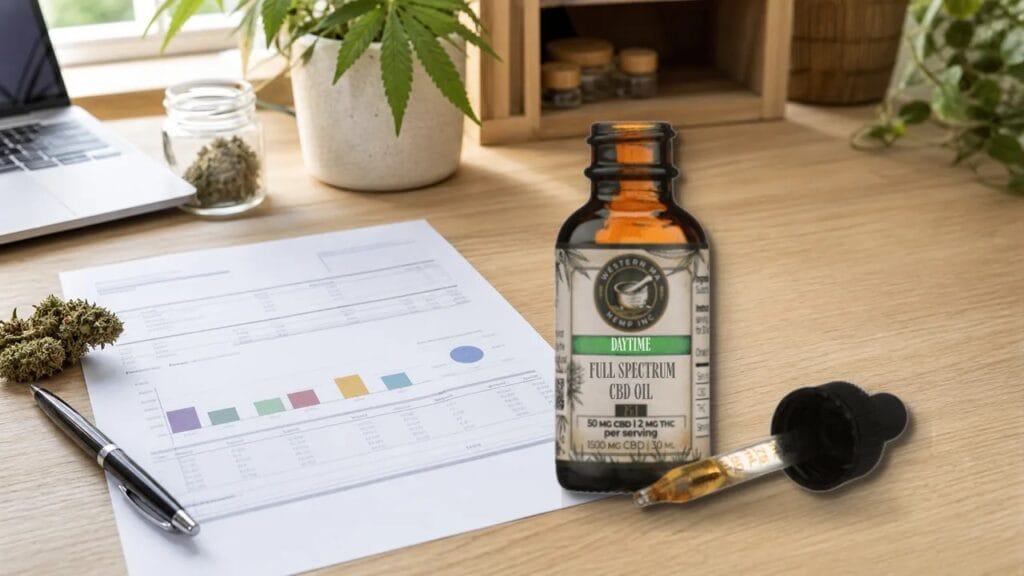
A CBD oil label should tell you what is in the bottle, how much is in each serving, and how to verify the exact batch. Here is what to look for.
CBD oil labels are small, but they should answer big questions. What is actually in the bottle? How much hemp extract are you getting in each serving? Is it full spectrum? Can you connect it to a real lab report? And who grew and made it?
The front label is often designed to catch your eye. The rest of the bottle should help you make an informed choice.
This guide walks through the parts of a CBD oil label worth reading before you buy. It is not about finding the flashiest bottle or the largest number. It is about seeing whether every detail points back to a clean, well-made hemp product.
Start With What the Product Actually Is
“CBD oil,” “hemp oil,” “hemp extract,” and “tincture” are often used casually, but they do not all mean the same thing.
A finished CBD oil is usually a concentrated hemp extract blended into a carrier oil. The extract is where the cannabinoids and terpenes come from. The carrier makes the product usable by the dropper and helps create a consistent serving.
Look for language that clearly tells you what is in the bottle. A label should make it easy to understand whether it contains full-spectrum hemp extract, broad-spectrum extract, distillate, or CBD isolate. Those ingredients may all be sold as CBD oil, but they preserve very different amounts of the original plant.
For a closer look at that distinction, read Hemp Extract vs. CBD Oil.
Find the Total Milligrams—and the Milligrams Per Serving
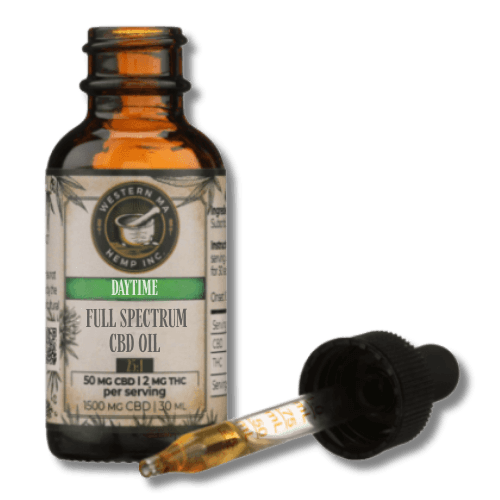
The large number on the front of a bottle is usually the total amount of CBD or hemp extract in the entire bottle. It is useful, but it is only half the picture.
The Supplement Facts panel should also show the serving size and the amount per serving. That lets you compare oils in a meaningful way.
For example, a 1,000 mg bottle with 30 servings provides about 33 mg per serving. A 1,000 mg bottle with 60 servings provides about 17 mg per serving. The bottle may carry the same headline number, but the amount in each dropperful is different.
Before comparing two oils, check:
- Total CBD or hemp extract in the bottle
- Bottle size, usually listed in milliliters
- Serving size, such as one full dropper
- Milligrams per serving
- Number of servings per bottle
These details should be clear enough that you never have to guess what the front label means.
Look for Full-Spectrum Hemp Extract, Not Just a CBD Number
A CBD number tells you how much CBD is present. It does not, by itself, tell you what else from the hemp plant made it into the bottle.
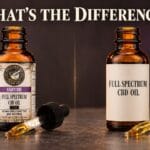
When you want a product that stays closer to the plant, look for full-spectrum hemp extract in the ingredient list and confirm the profile on the matching lab report. A real full-spectrum oil should show more than CBD. Depending on the variety and harvest, that can include naturally occurring minor cannabinoids, terpenes, and trace THC within the legal limit.
“Full spectrum” should describe what is actually in the bottle, not just serve as a phrase on the front label. A product made with isolate or a highly refined distillate can still have a large CBD number, while carrying a much narrower hemp profile.
Our guide to identifying a good full-spectrum CBD oil explains what the color, taste, ingredients, and lab results can reveal together.
Read the Ingredient List From Beginning to End
The ingredient list tells you how a product was built. In a straightforward CBD tincture, it should be short and understandable.
At its simplest, an oil needs hemp extract and a carrier oil. Every additional ingredient should have a clear purpose.
Be mindful of formulas padded out with unnecessary flavorings, sweeteners, colors, preservatives, or a long list of unrelated wellness ingredients. Those additions can make a label look busier without making the hemp extract more complete.
Our tinctures contain two ingredients: full-spectrum hemp extract and hemp heart oil. The hemp extract brings the flower’s natural cannabinoid and terpene profile. The hemp heart oil carries it in a mild, golden oil that comes from hulled hemp seeds. We use hemp to carry hemp because it keeps the finished product true to the plant.
Learn more about why we use hemp heart oil in every product we make.
Check the Batch or Lot Number
A batch or lot number is one of the most useful details on the bottle. It connects that specific product to its certificate of analysis, or COA.
The number may be printed on the bottom of the bottle, beneath the label, or near the expiration date. Wherever it appears, it should match the number on the lab report you are reviewing.
That match matters. A generic PDF that cannot be connected to the bottle in your hand does not tell you much about the oil you are buying. A batch-specific report shows the company is willing to identify and stand behind a particular production run.
Make Sure the Lab Report Is Easy to Find
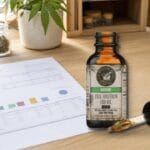
A trustworthy hemp company should make batch-specific lab results easy to access. That may be through a QR code, a batch lookup, a link on the website, or direct access from the product page.
Once you have the report, first confirm these basics:
- The product name matches the bottle
- The batch or lot number matches the bottle
- The test is current and from an independent laboratory
- The cannabinoid results match what the label represents
Then look at the whole report. For a full-spectrum oil, the cannabinoid panel should show a wider plant profile than CBD alone. A terpene analysis is another valuable way to see whether the extract retained the aromatic compounds produced by the hemp flower.
The report should also show a complete safety profile, including the relevant panels for pesticides, heavy metals, microbial contaminants, mycotoxins, and residual solvents. “Lab tested” is only useful when you can see what was tested and the results for the specific batch.
Our step-by-step guide to reading a hemp product lab test makes the report easier to follow.
Look for a Real Source, Not a Vague Origin Story
The label or product page should make it possible to learn where the hemp came from and who made the product.
Hemp is an agricultural plant. Its natural profile begins with the variety, soil, weather, growing practices, harvest timing, and care after harvest. A company that grows or works directly with its hemp should be able to explain that process in plain language.
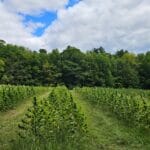
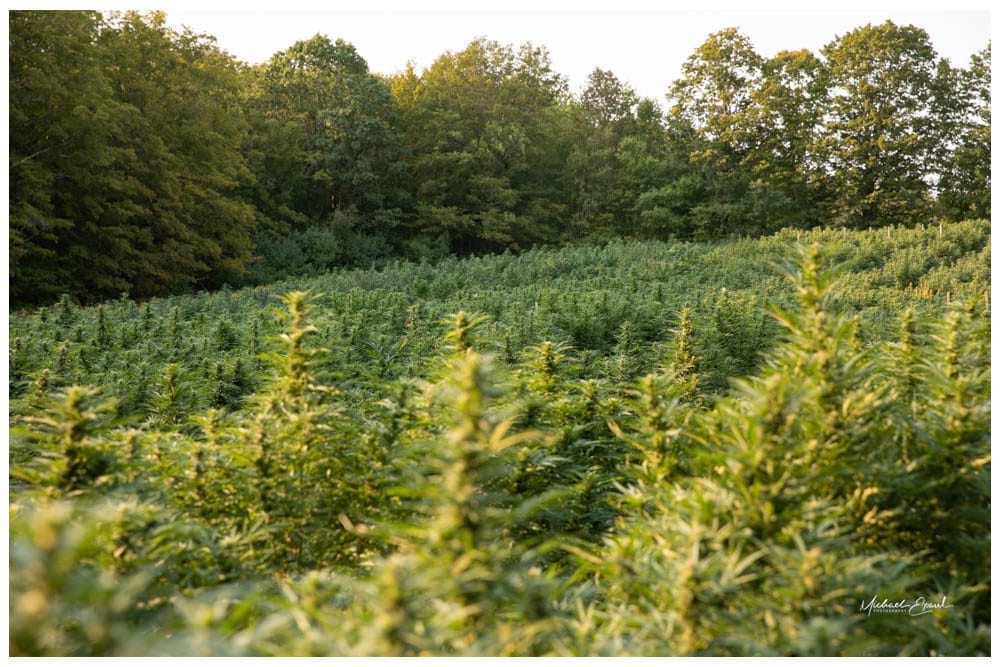
At Western MA Hemp, we grow our hemp in Western Massachusetts, select varieties for their natural plant profiles, and make products around what the plants produce. You can see more of the growing side in our Massachusetts hemp fields and learn why harvest timing matters.
Know What the Label Cannot Tell You Alone
A label is the starting point. It should give you a clear path to the rest of the product story: the ingredient list, source, batch number, and matching lab report.
One detail alone is never the whole answer. A high CBD number does not confirm a broad hemp profile. “Full spectrum” on the front does not replace a batch-specific COA. A polished label does not explain where the hemp was grown. And a long list of extra ingredients does not mean the oil contains more of what matters.
The best products make the pieces easy to connect.
A Quick CBD Oil Label Checklist
Before choosing a CBD oil, look for:
- A clearly named hemp extract—not an unexplained “proprietary blend”
- Total milligrams for the bottle and milligrams per serving
- A clear serving size and number of servings
- Full-spectrum language supported by a batch-specific lab report
- Multiple cannabinoids and, when available, a terpene profile on the COA
- A short, readable ingredient list
- A batch or lot number that matches the lab report
- Safety panels for pesticides, heavy metals, microbes, mycotoxins, and residual solvents
- A company that clearly identifies its hemp source and process
The Label Should Lead You Back to the Plant
You should not need to take a brand’s word for it. A good CBD oil label gives you the information needed to follow the product back to its source: what it contains, how much is in each serving, which batch it came from, and where to see the results.
At Western MA Hemp, we keep that story simple. We grow hemp in Massachusetts, preserve the character of the whole plant, use hemp heart oil as the carrier, and provide the information you need to understand what is in the bottle.
Explore our full-spectrum CBD oils to see the difference a short ingredient list, a clear label, and real hemp can make.
Frequently Asked Questions
What should I look for on a CBD oil label?
Look for the total milligrams in the bottle, milligrams per serving, serving size, extract type, full ingredient list, batch or lot number, and a direct way to access the matching lab report.
Does a higher CBD number mean a better oil?
Not on its own. The total number helps you understand strength, but the ingredient list, hemp profile, serving size, batch-specific lab report, and source all help explain the quality of the finished oil.
How can I tell whether a CBD oil is truly full spectrum?
Start with the ingredient list, then confirm the matching batch report. A true full-spectrum profile should show CBD alongside multiple naturally occurring cannabinoids and, when the company provides it, a terpene analysis.
Why does the batch number matter on CBD oil?
The batch or lot number connects your bottle to its specific COA. It lets you confirm that the cannabinoid and safety results apply to the product you are buying rather than to an unrelated sample.
Should CBD oil have a long ingredient list?
No. A straightforward tincture can be made with hemp extract and a carrier oil. A short, understandable ingredient list makes it easier to see what the product contains and whether it stays focused on the hemp plant.